everybody is a celebrity is part of an ongoing exploration of marginalia - the traces readers leave behind in books. Rather than treating annotations as commentary, this work regards underlines, highlights, and selected passages as evidence of attention: small acts of recognition that reveal what someone else found worth pausing for.
Using only these marked fragments, the poem is assembled by recontextualizing passages drawn from unrelated books. Removed from their original narratives and placed into conversation with one another, the text forms a new composition that belongs fully to none of its sources. The resulting poem is less an act of authorship than one of listening, following the paths carved by anonymous readers across time.
Reading has often felt like one of the most solitary of human activities, yet marginalia complicates that solitude. A marked passage becomes a conversation - not only with an author, but with an unknown reader whose attention lingers in the page. Their reasons remain unknowable, but their presence persists. The work asks what can be learned from these traces, and whether meaning resides not only in the words themselves, but in the evidence that someone once believed they mattered.
Everybody is a Celebrity
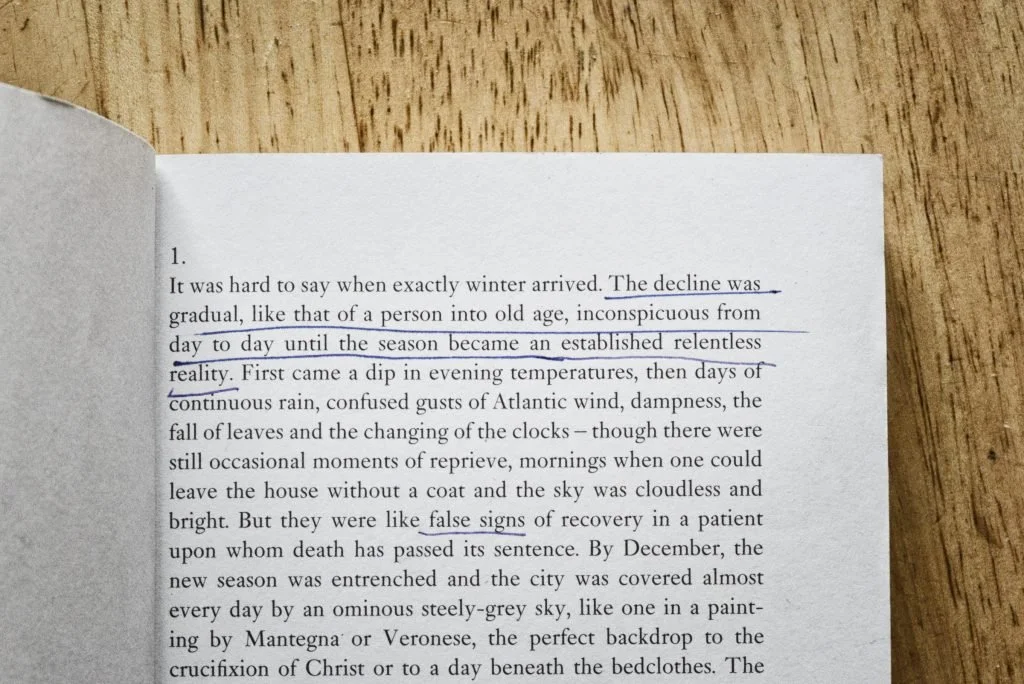
The decline was gradual, like that of a person into old age, inconspicuous from day to day until the season became an established relentless reality.
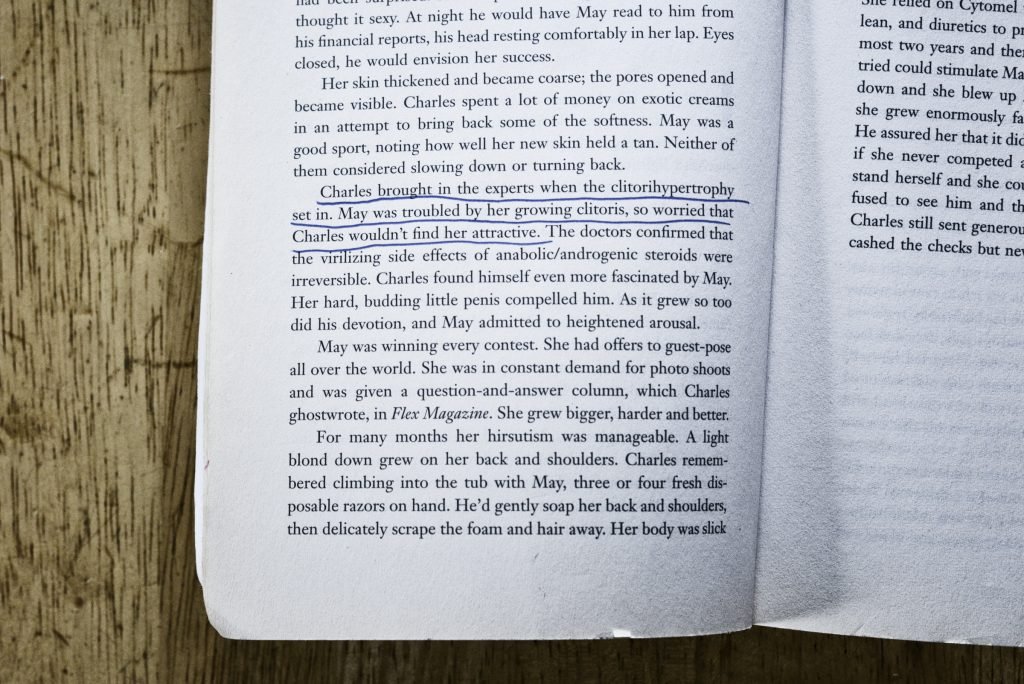
Charles brought in the experts when the clitorihypertrophy set in. May was troubled by her growing clitoris, so worried that Charles wouldn’t find her attractive.
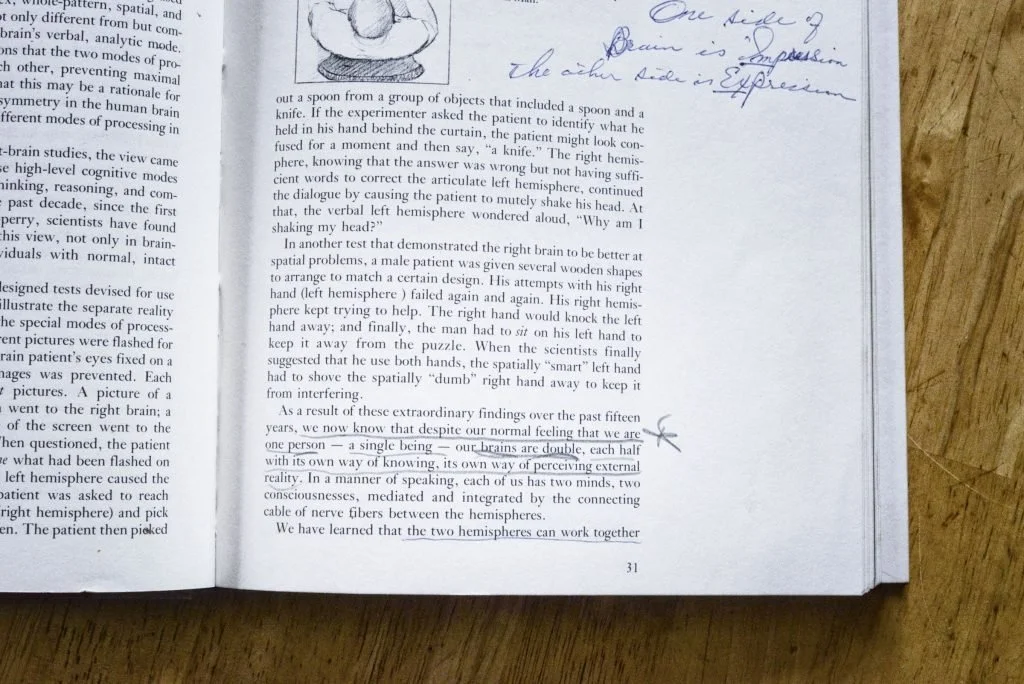
We now know that despite our normal feeling that we are one person—a single being—our brains are double, each half with its own way of knowing, its own way of perceiving external reality.
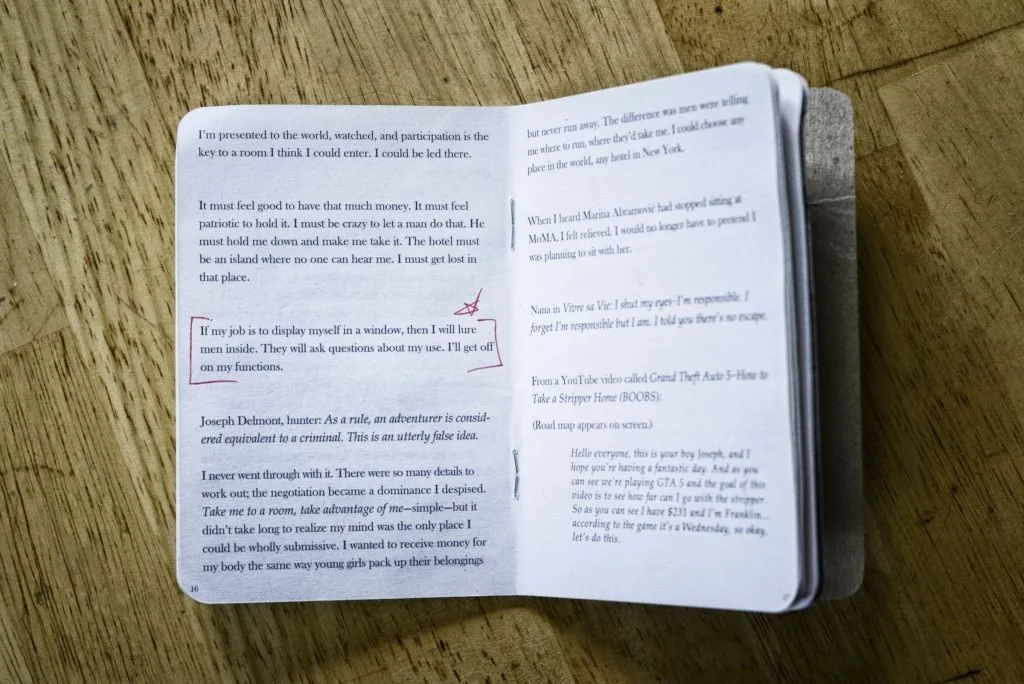
If my job is to display myself in a window, then I will lure men inside. They will ask questions about my use. I’ll get off on my functions.
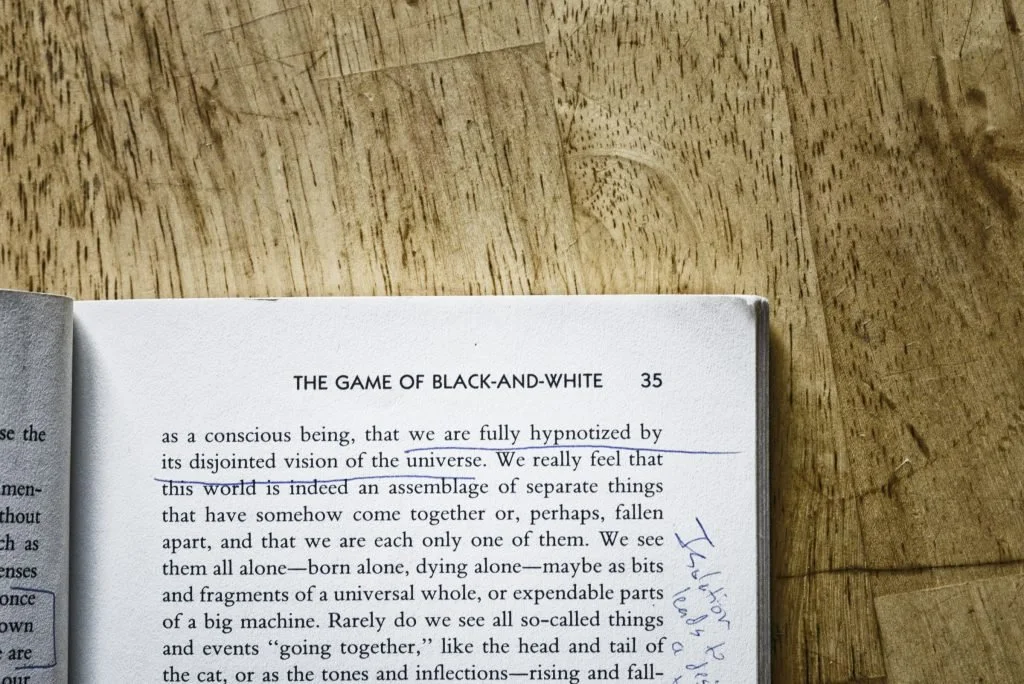
We are fully hypnotized by its disjointed vision of the universe.
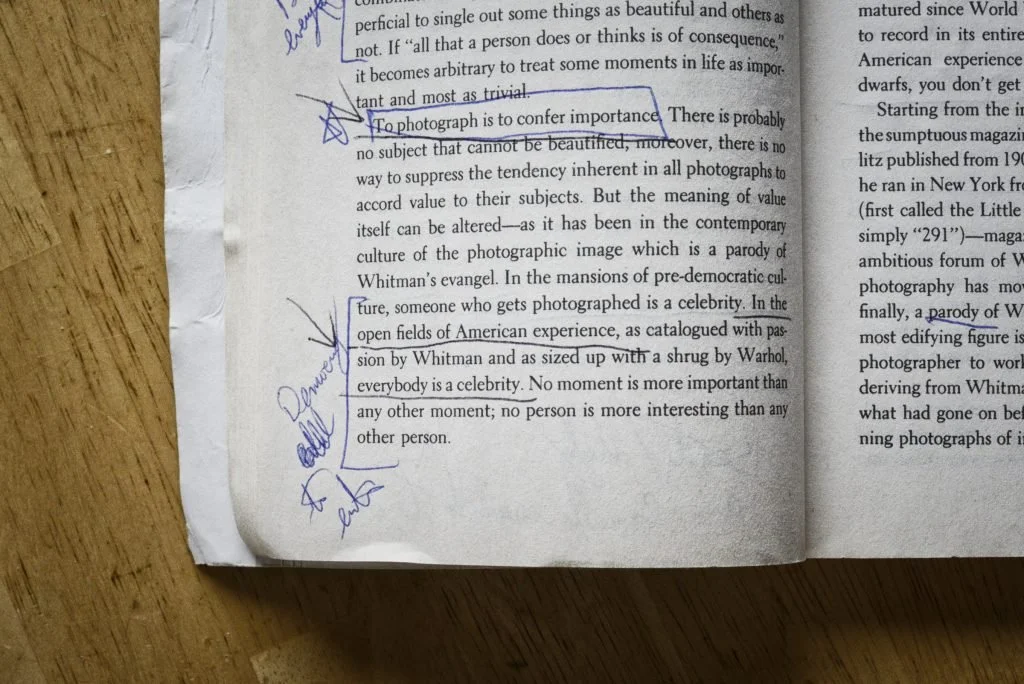
In the open fields of American experience, everyone is a celebrity.
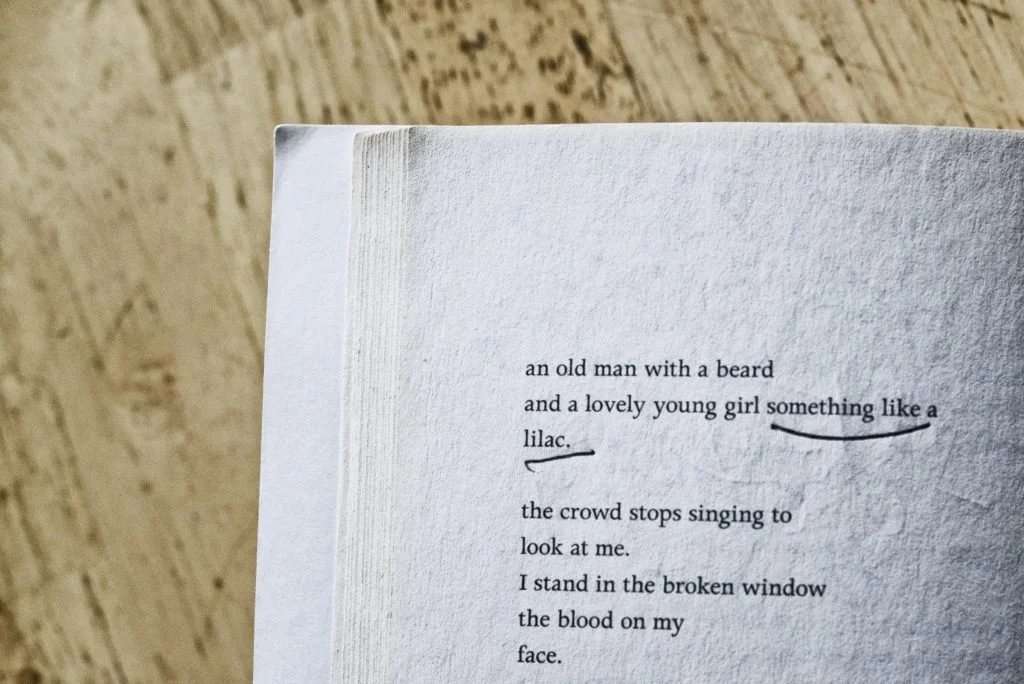
And a lovely young girl, something like a lilac…
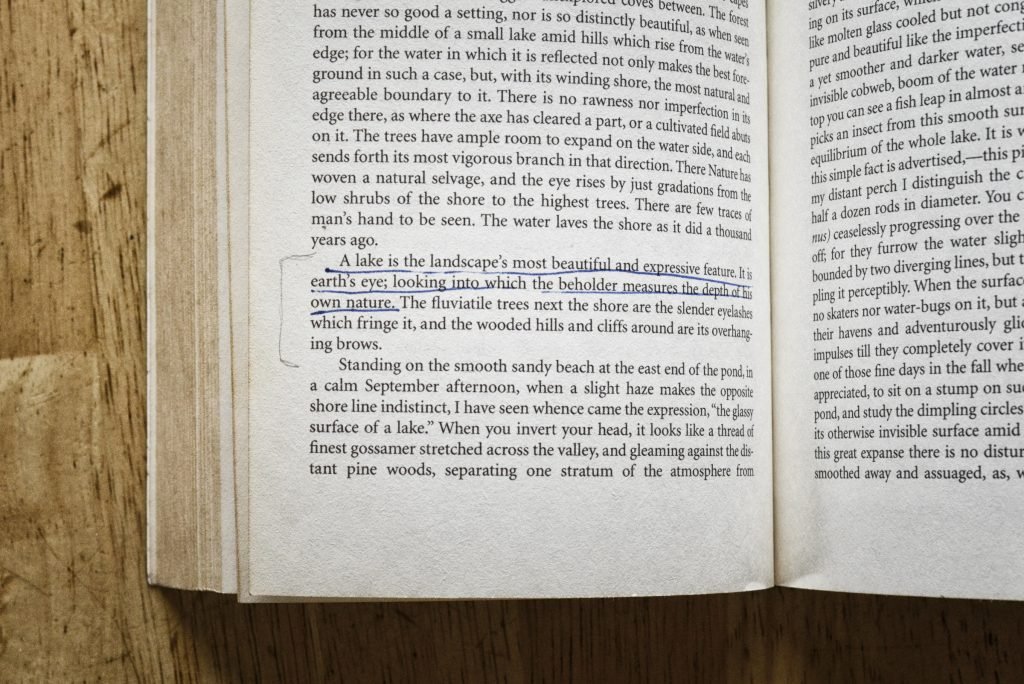
is the landscape’s most beautiful and expressive feature. It is earth’s eye; looking into which the beholder measures the depth of his own nature.
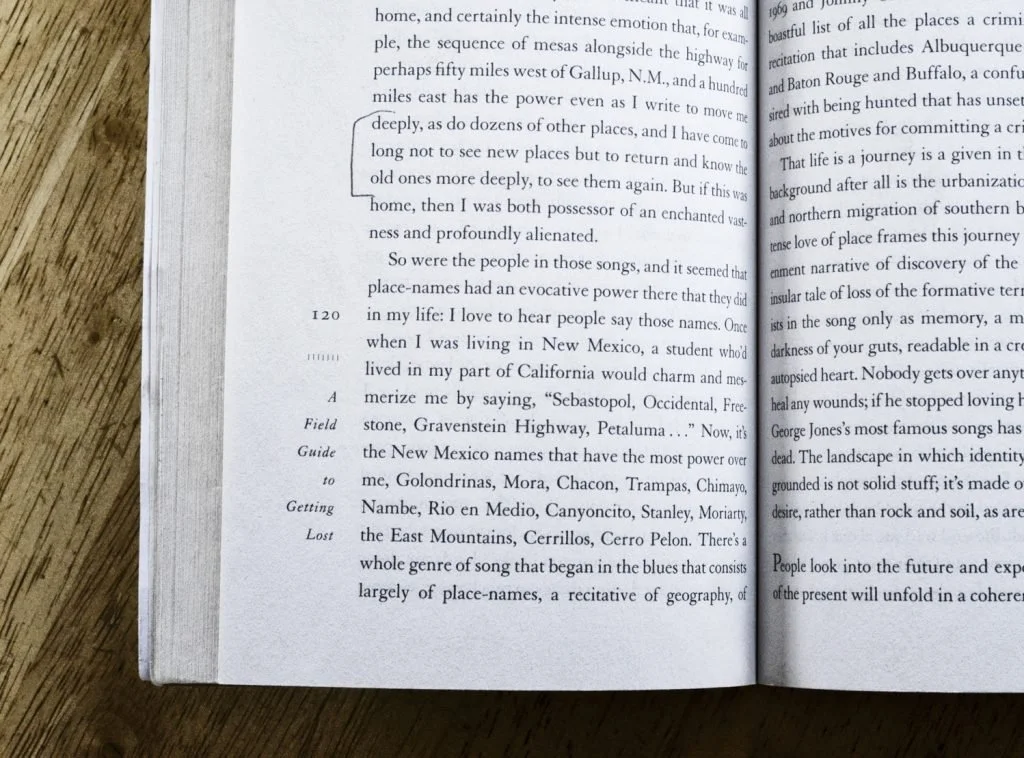
I have come to long not to see new places but to return and know the old ones more deeply, to see them again.
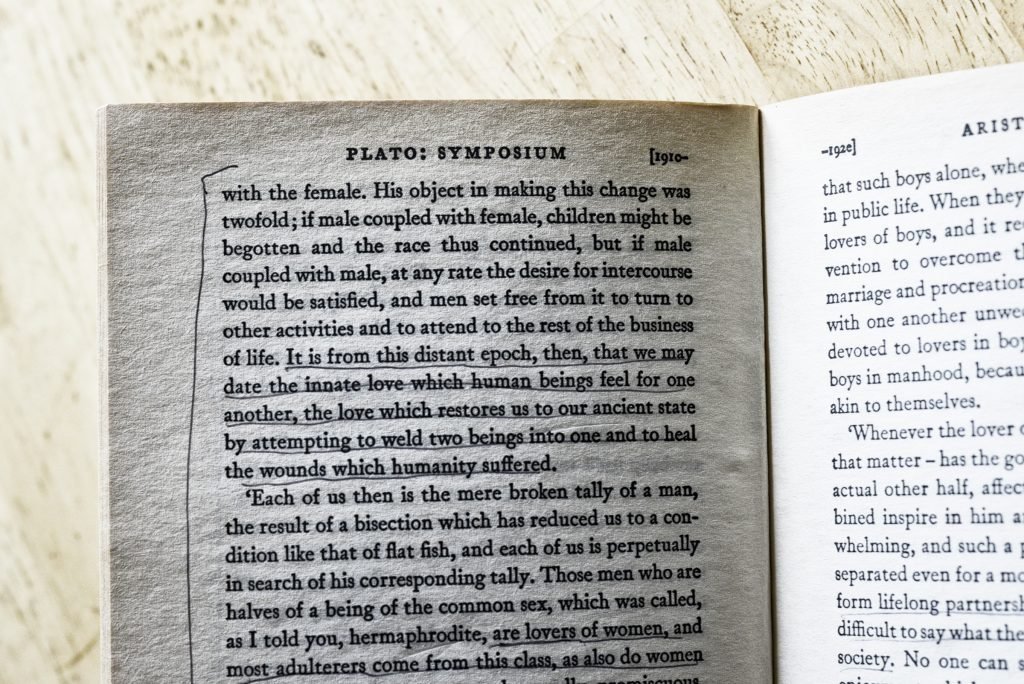
It is from this distant epoch, then, that we may date the innate love which human beings feel for one another, the love which restores us to our ancient state by attempting to weld two beings into one and to heal the wounds which humanity suffered.
Source Material
The Art of Travel — Alain de Botton
Chemical Pink — Katie Arnoldi
Drawing on the Right Side of the Brain — Betty Edwards
Pity the Animal — Chelsea Hodson
The Book — Alan Watts
On Photography — Susan Sontag
The People Look Like Flowers at Last — Charles Bukowski
Walden — Henry David Thoreau
A Field Guide to Getting Lost — Rebecca Solnit
The Symposium — Plato