My interest in inscription comes from two sources:
Marginalia: Studying someone else's markings - the notes, the ephemera, the traces - opens a deeper reading. It feels warm, almost companionable, like taking in the material alongside a peer whose inner-narrative complements, or challenges, your own.
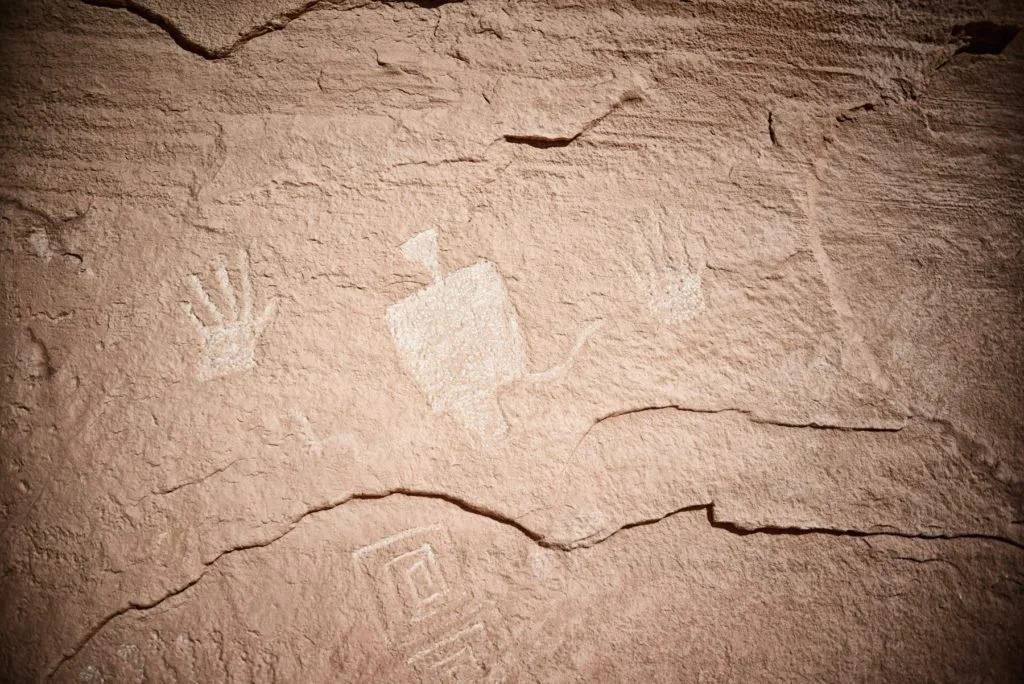
Petroglyphs and pictographs from the American Southwest, particularly those left by ancestral Puebloan cultures in the greater Four Corners region.
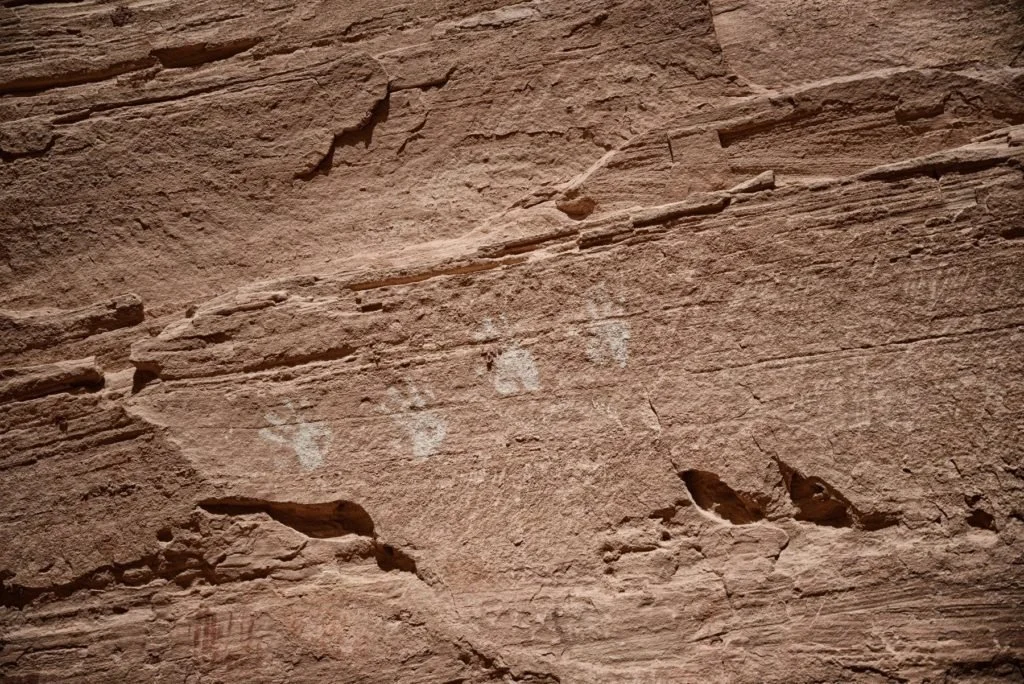
From roughly 800 to 1150 AD, the Colorado Plateau was home to a sprawling Puebloan civilization - a culture that lives on today in the Zuni, Acoma, Laguna, and Hopi. Their markings remain throughout the region: rock paintings and carvings depicting spirals, anthropomorphs, hands, and clan and tribal symbols.
Amidst the colors of the desert, in remote places home to dust and swallows, lie charged ruins which glow with the ember of a once great fire. Fajada Butte, in Chaco Canyon National Monument (Navajo Nation), is one of the most prominent examples - home to the sun dagger, a preeminent work of astro-archaeology.
At certain times of day, different markings appear - used to guide migrations, tend crops, commune with powers, or track celestial events. Scholars call this astroarchaeology: the study of how past cultures understood the sky and its role in their lives (Sinclair 2006).
These practices aren't unique to the Southwest - Stonehenge, Giza, and others share the impulse - but this is the land I know most intimately, through family, work, and decades of living in - and traveling through - the region.
More personally, the West is the sublime made tangible. Its vastness overwhelms human interference and offers a sense of presence increasingly rare in a mediated world. You can absorb the silence inside.
Inscriptions aid that meditation = lines, marks, symbols that also raise questions of beginning and promise. There's writing and overwriting here, communication layered for peeling back. It brings to mind Flusser's "Does Writing Have a Future," which asks what happens to thought as written language gives way to digital expression. Or, more to the point, how is our inscription changing in the digital age?
Pictorial art today is largely an art of boxing in - rectangles, glowing screens, frames. The canvas is a predetermined field; gallery walls share the same logical geometry. Print, then the pixel, tends to deepen - not push against - this confinement. The ancestral Puebloans knew no such limit - their petroglyphs and pictographs float in indeterminate space.
Fajada Butte + Sun Dagger | 1:05
timelapse photography, appropriated footage from Carl Sagan's Cosmos, Episode 3: "The Harmony of the Worlds" (c. 1980), “Lipan Conjuring" by Tool
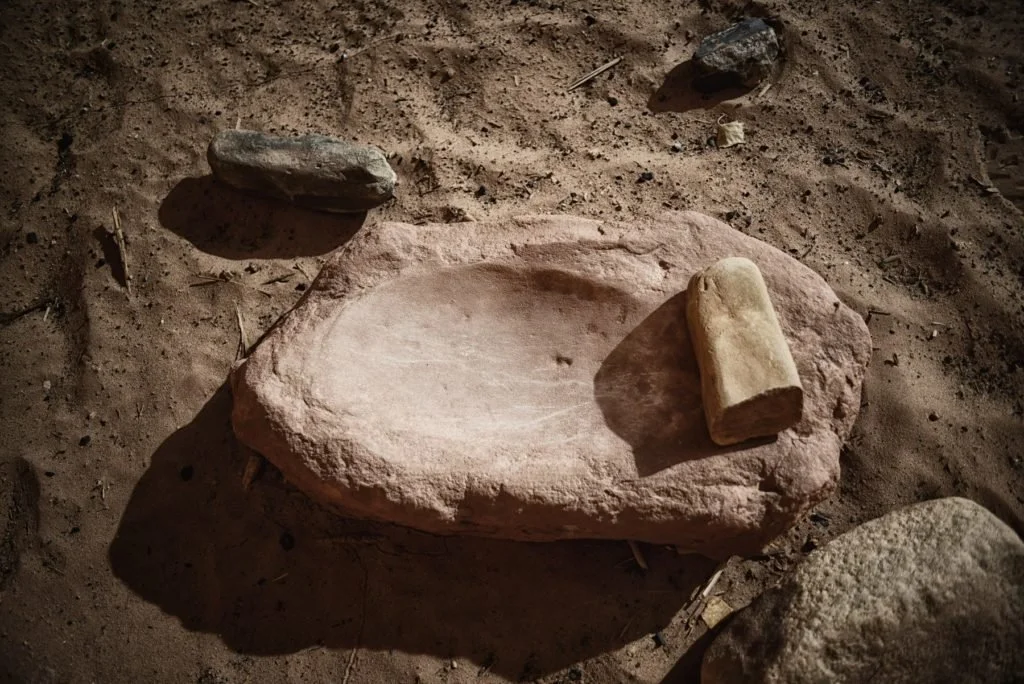
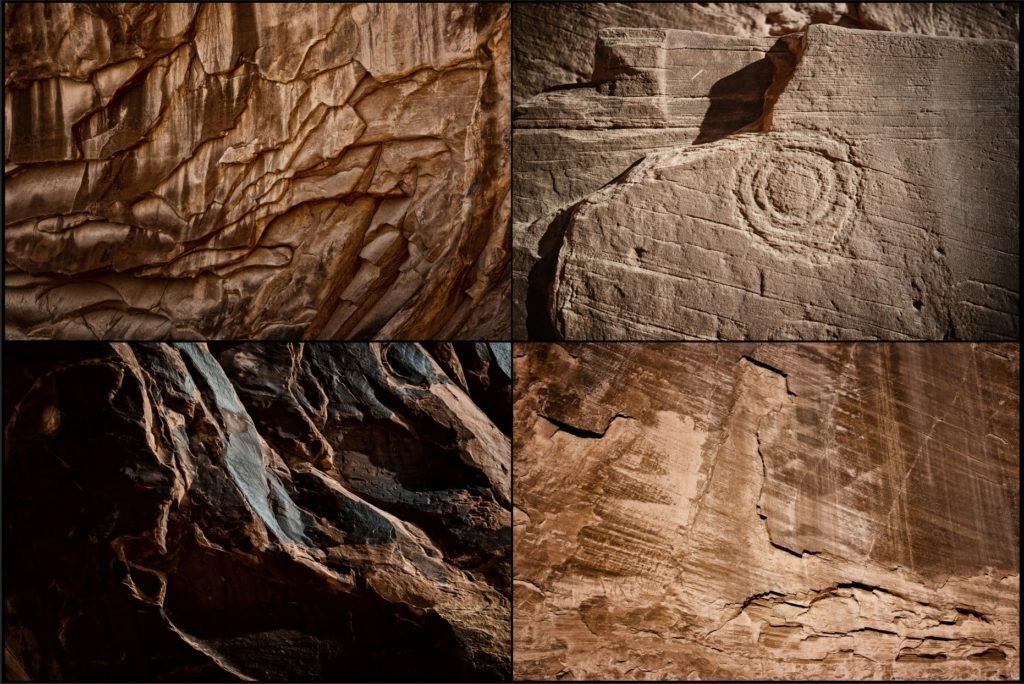
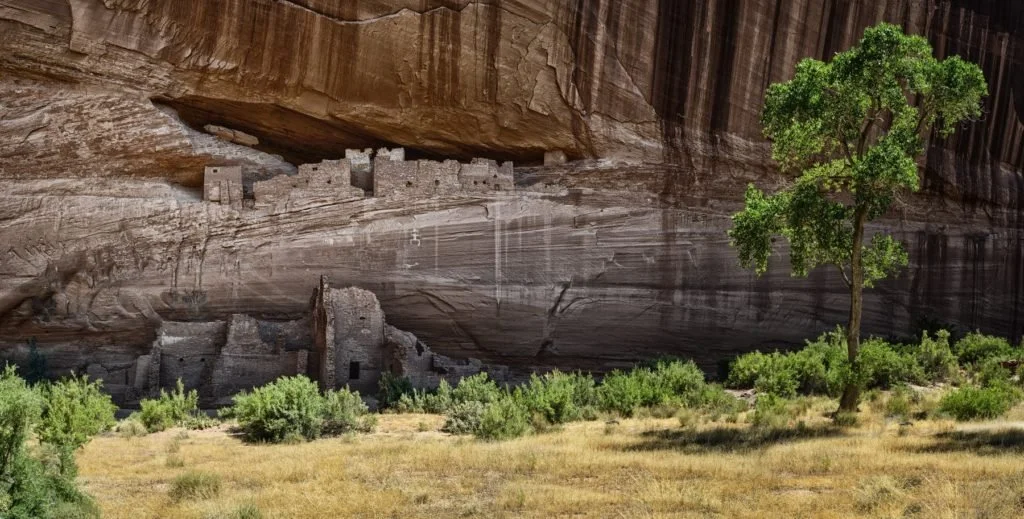
Considering the parallels between the digital sublime and the Southwest's physical version of it, I turned to my own inscriptions -again asking how inscription is changing in the digital age.
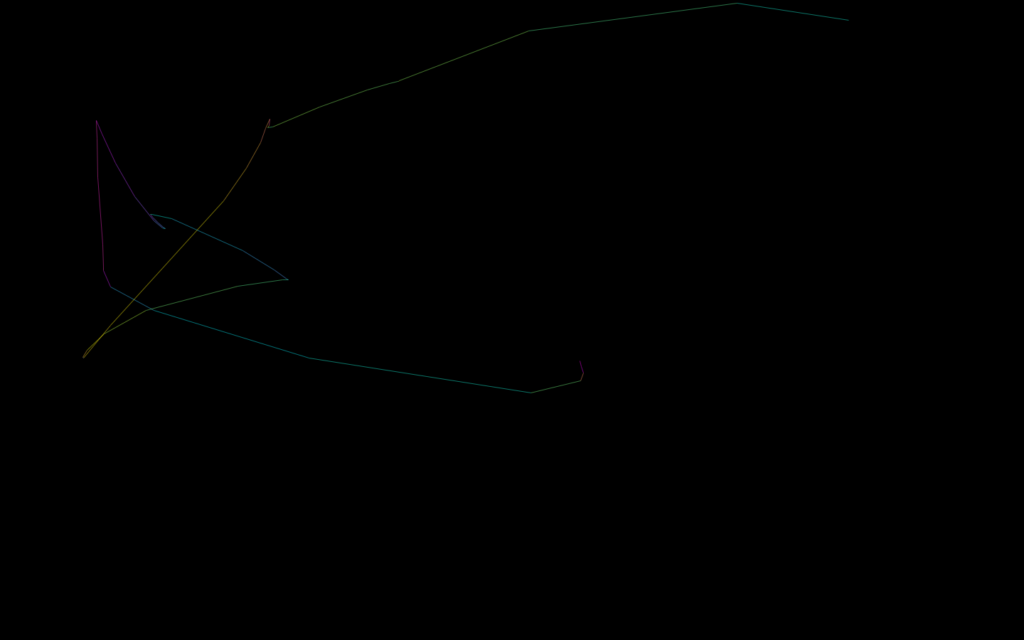
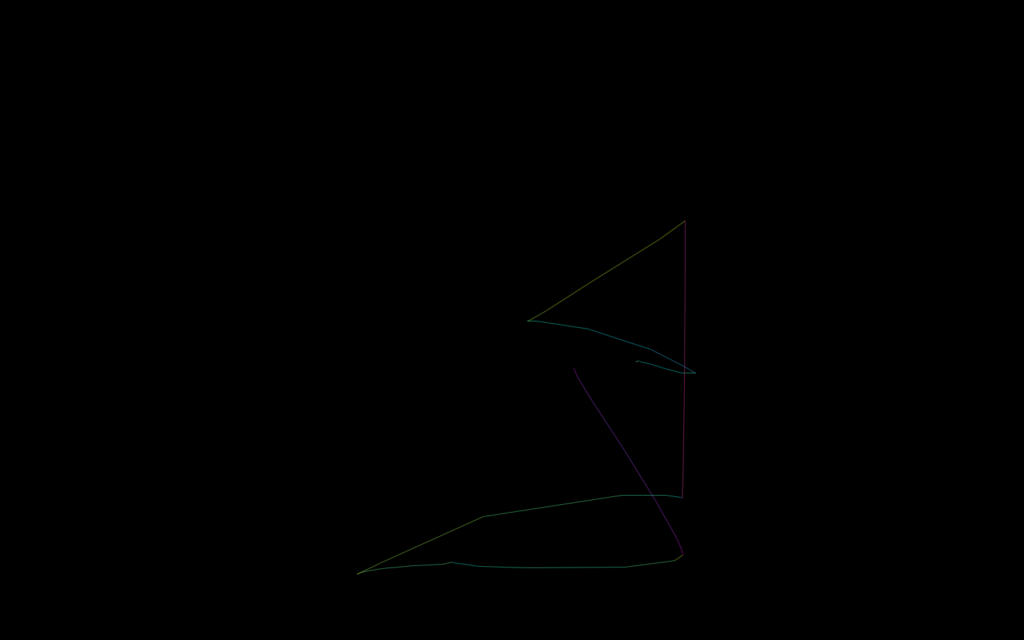
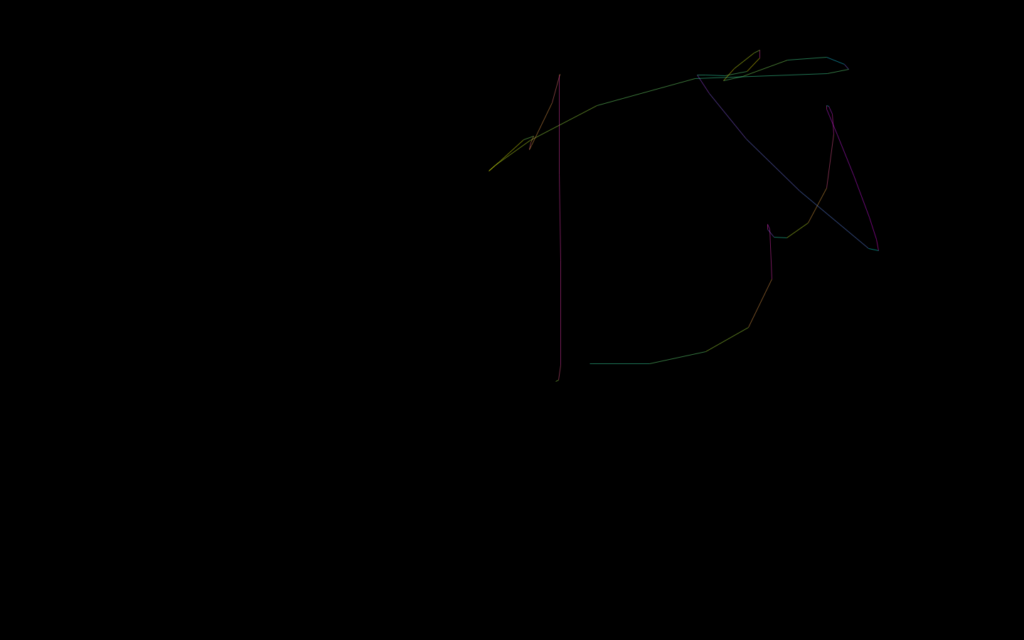
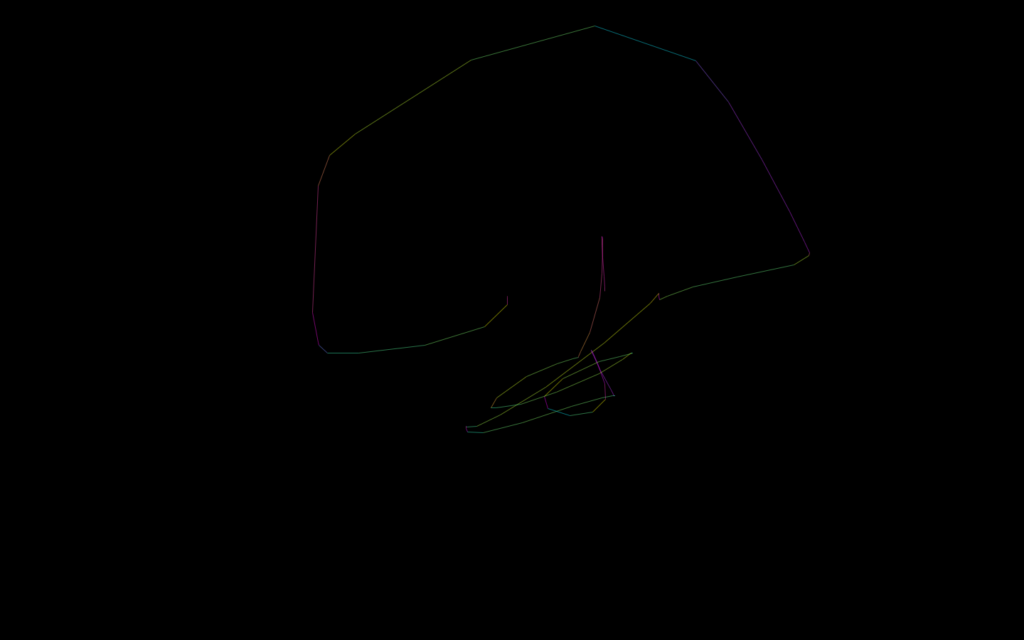
The gestures below are a step toward that question: how and where do we mark, commune, and inscribe ourselves in digital space? Are we resisting the screen's boundary box - and do we need to?
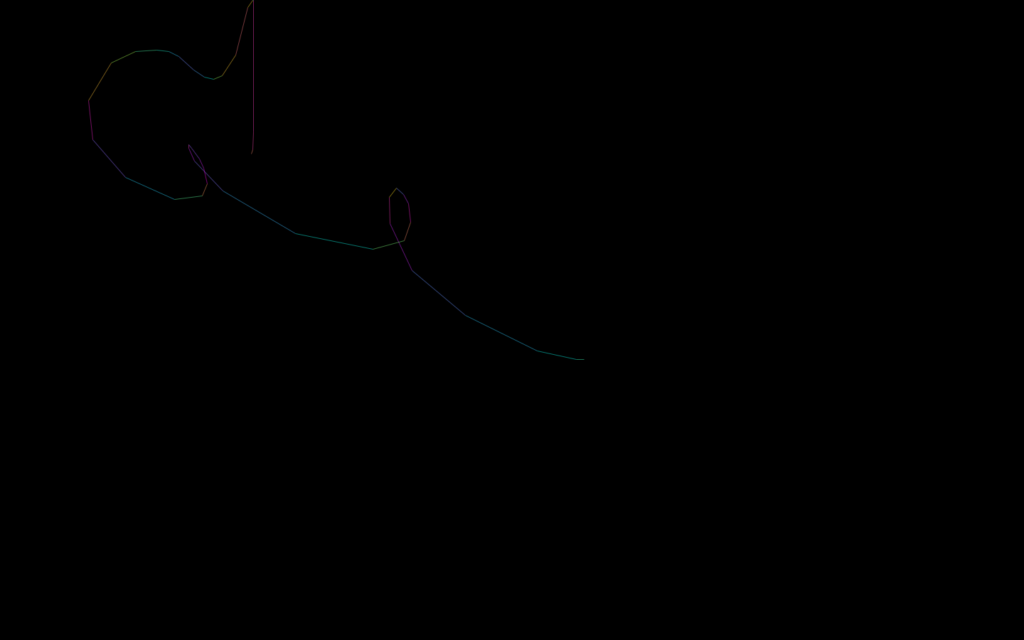
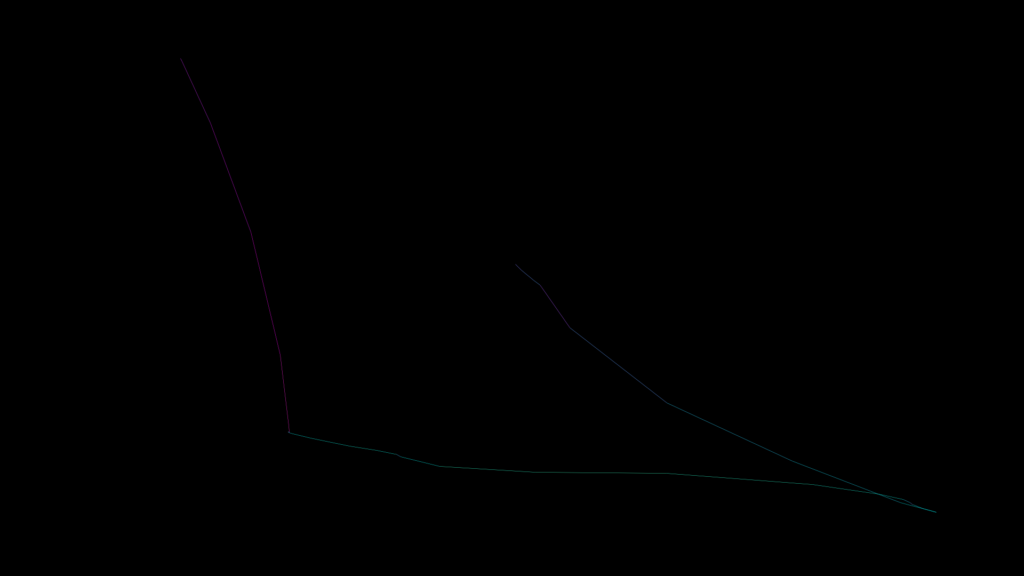
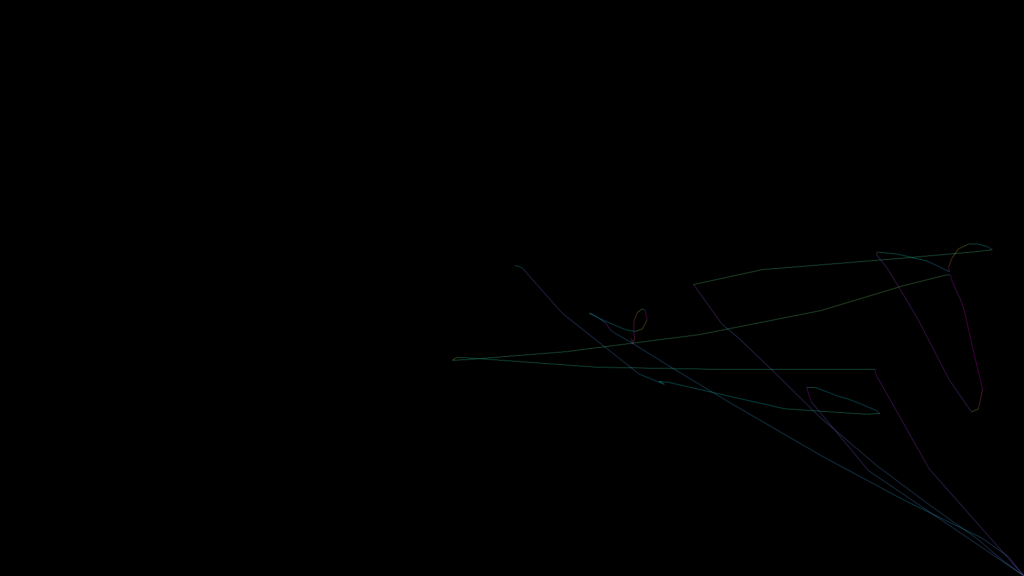
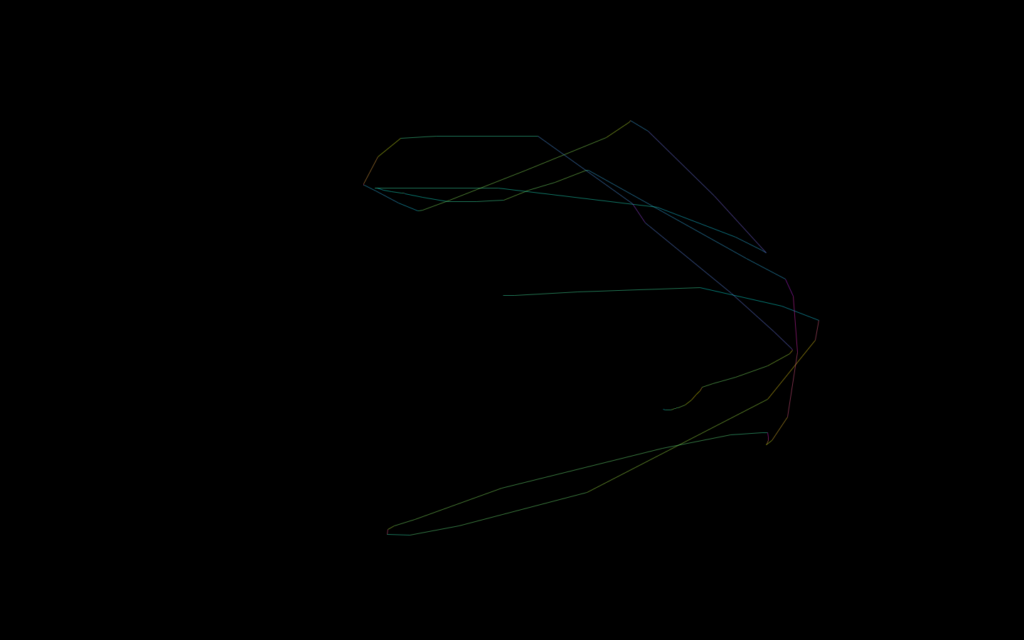
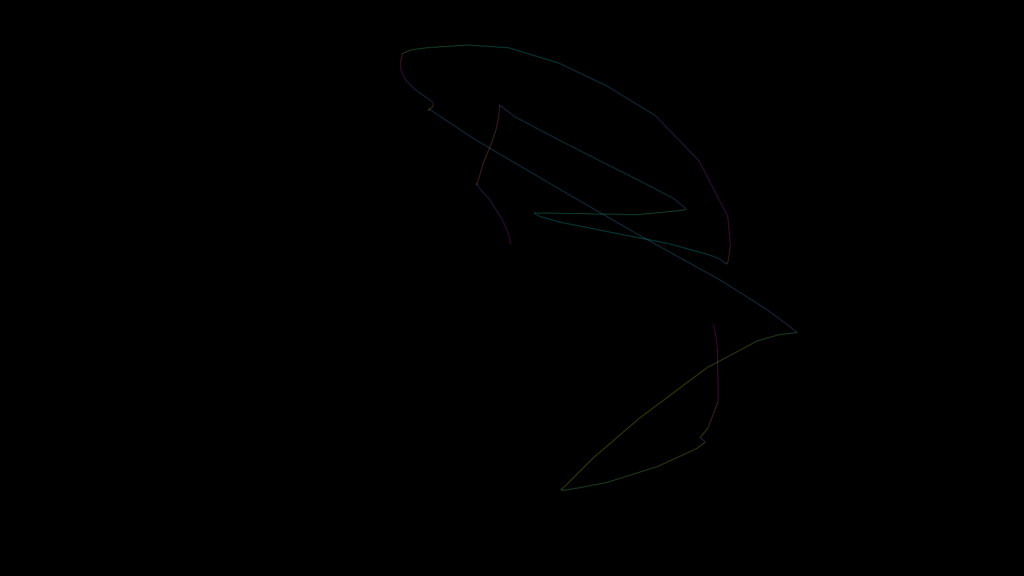
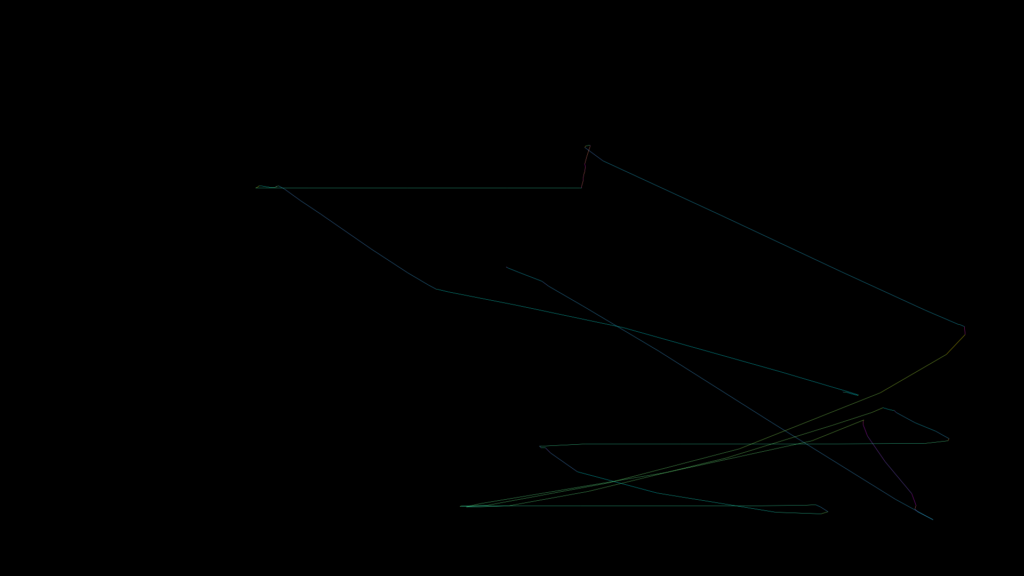
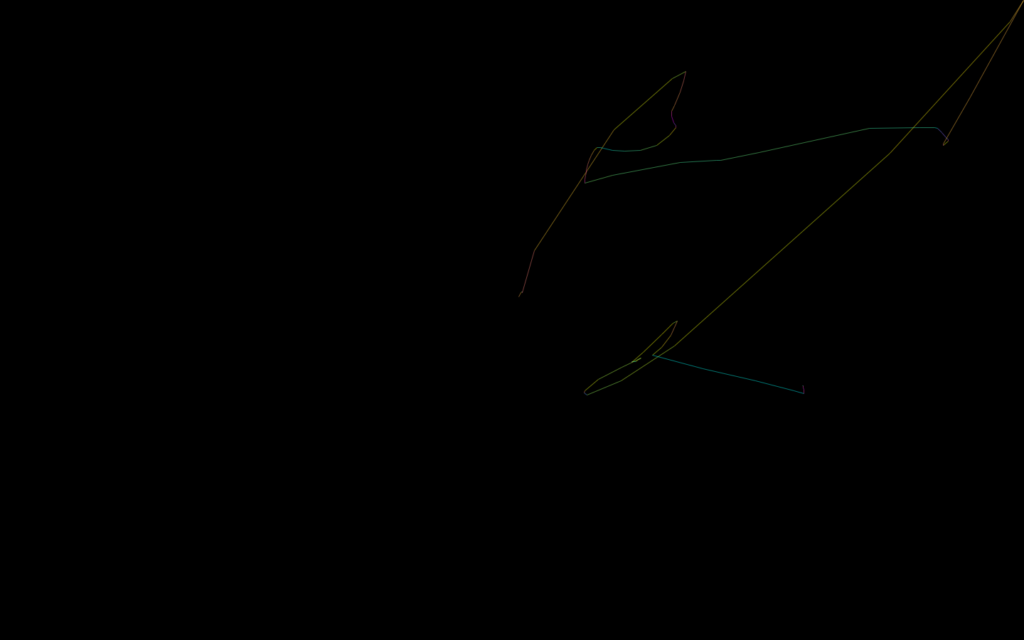
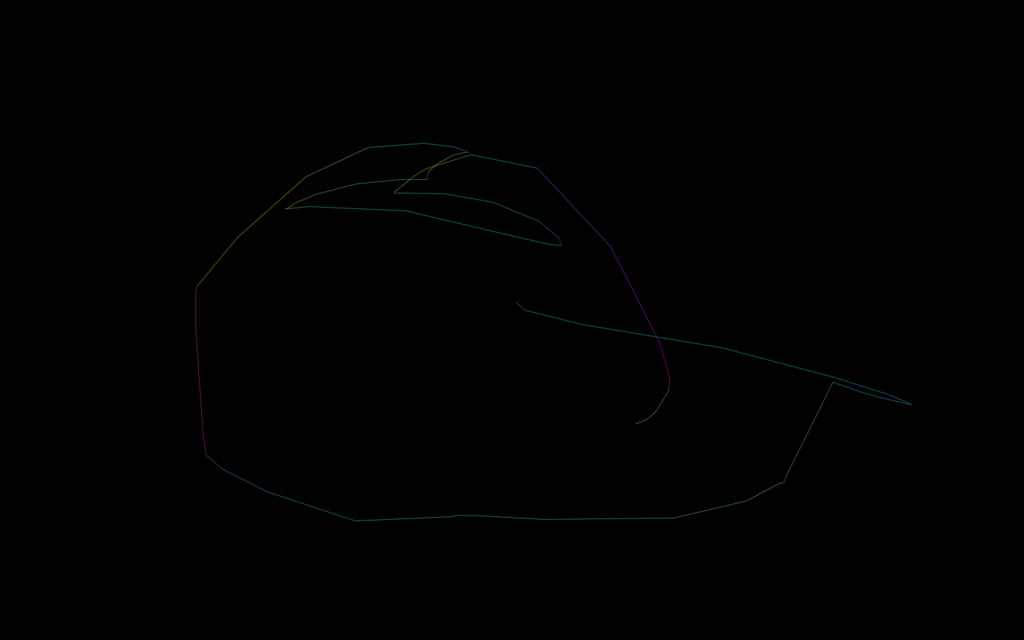
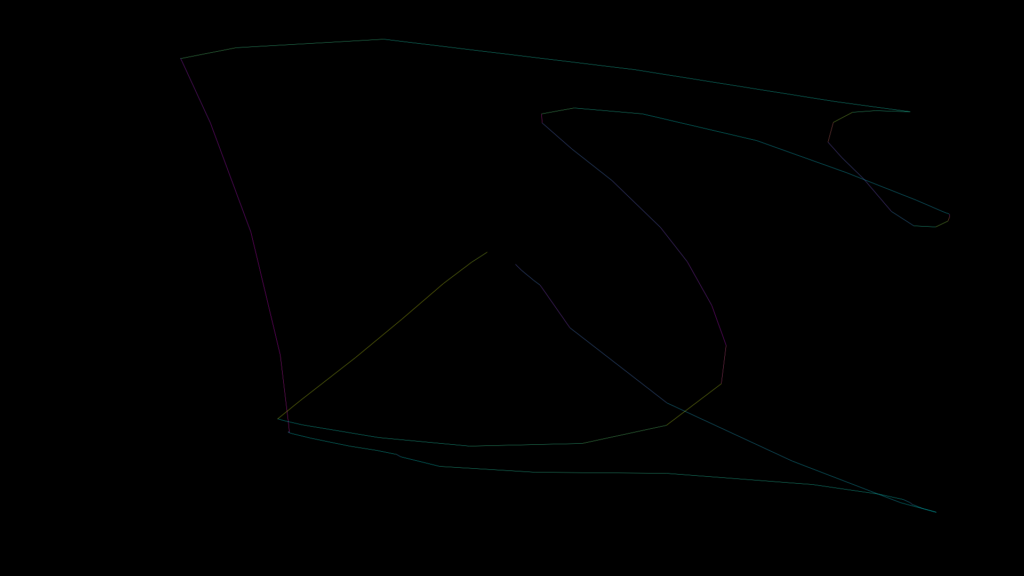
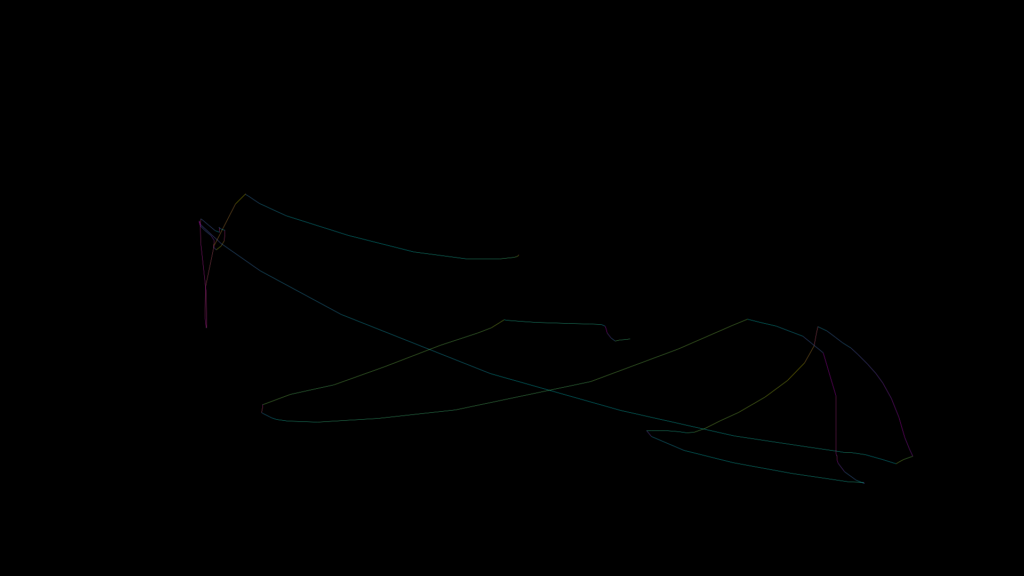
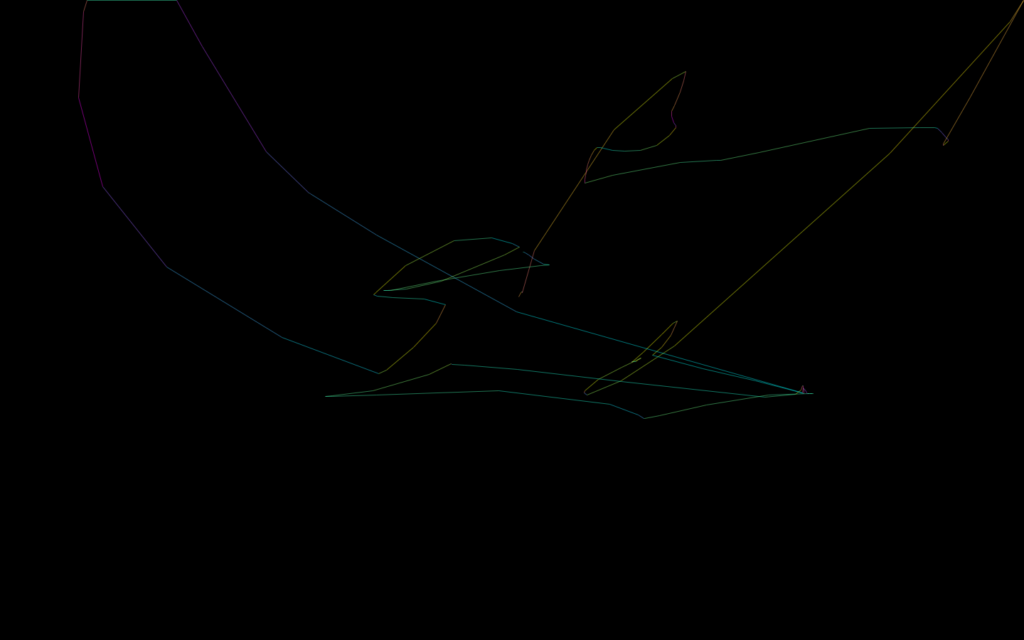
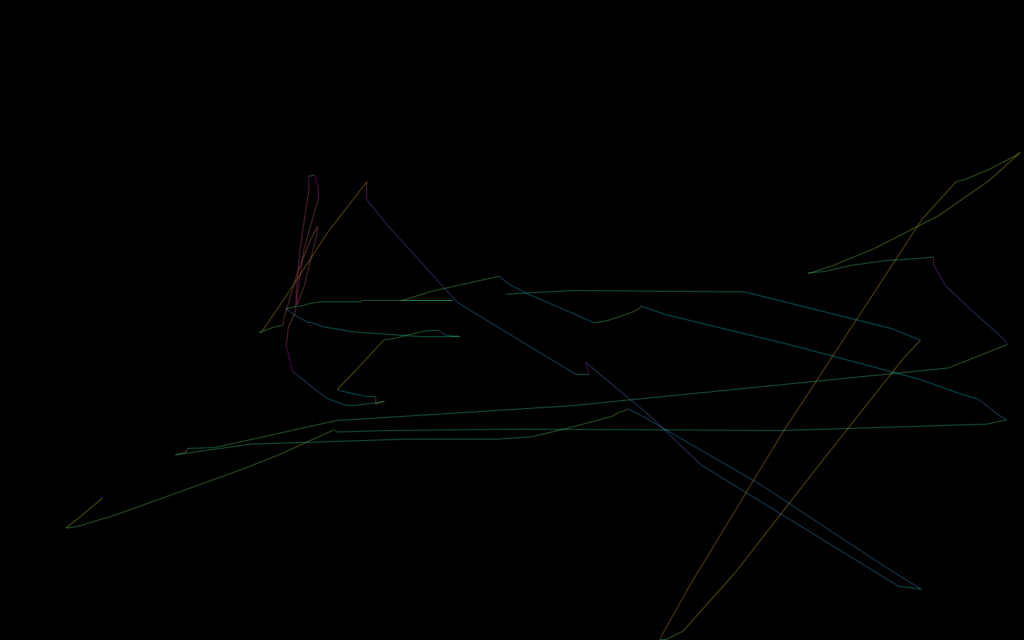
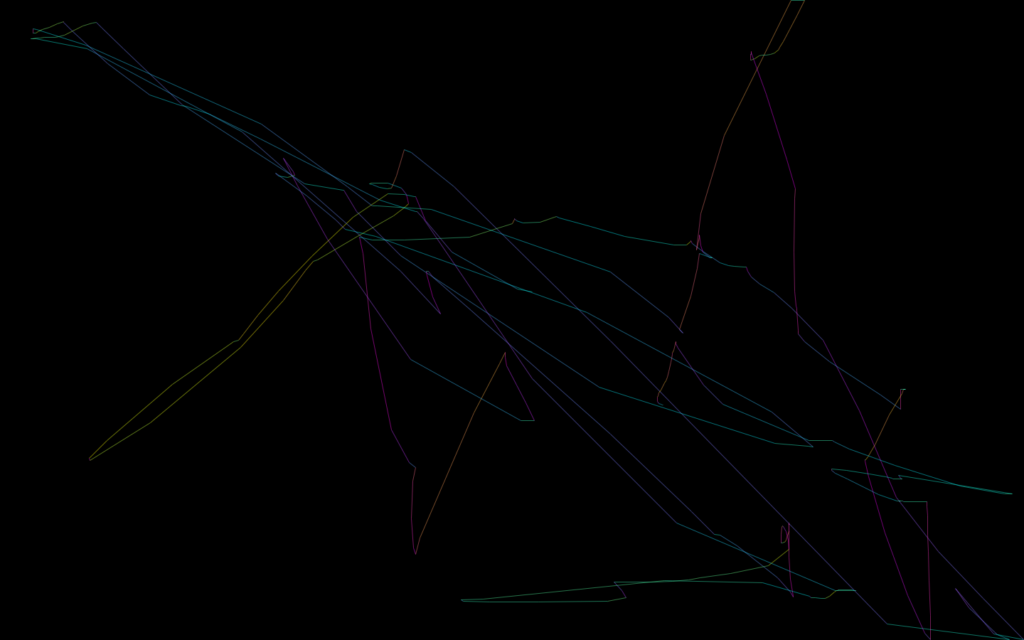
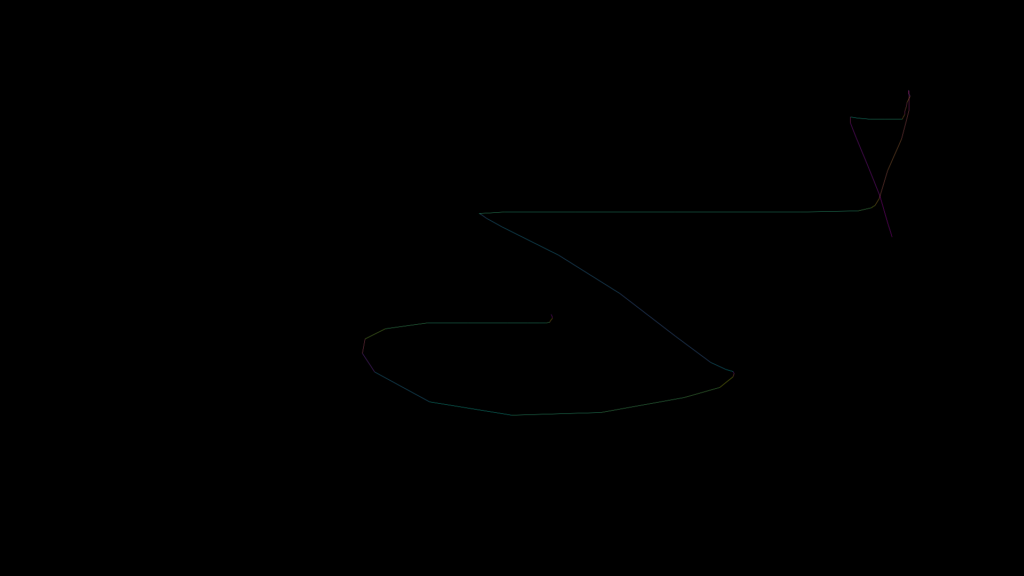
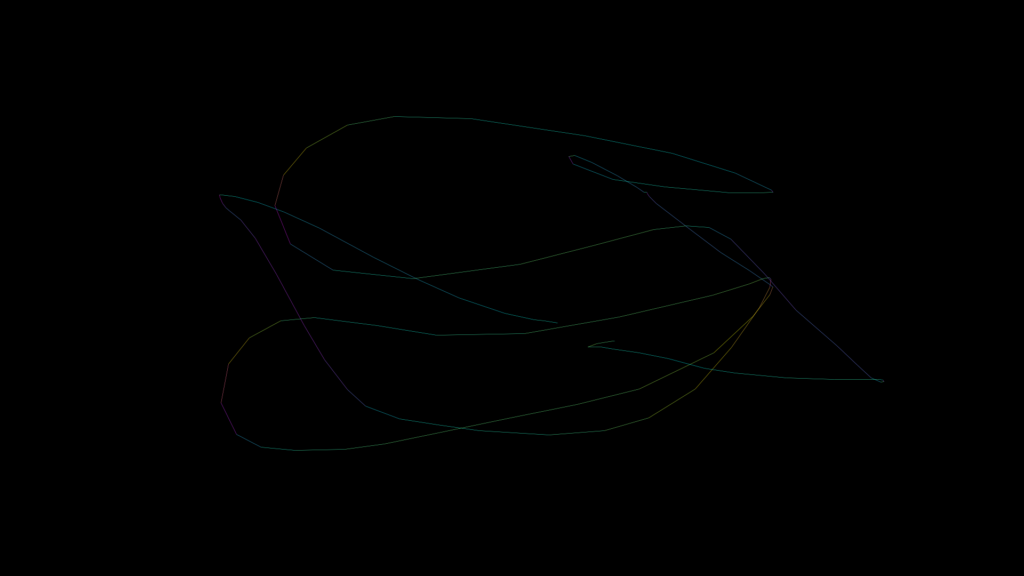
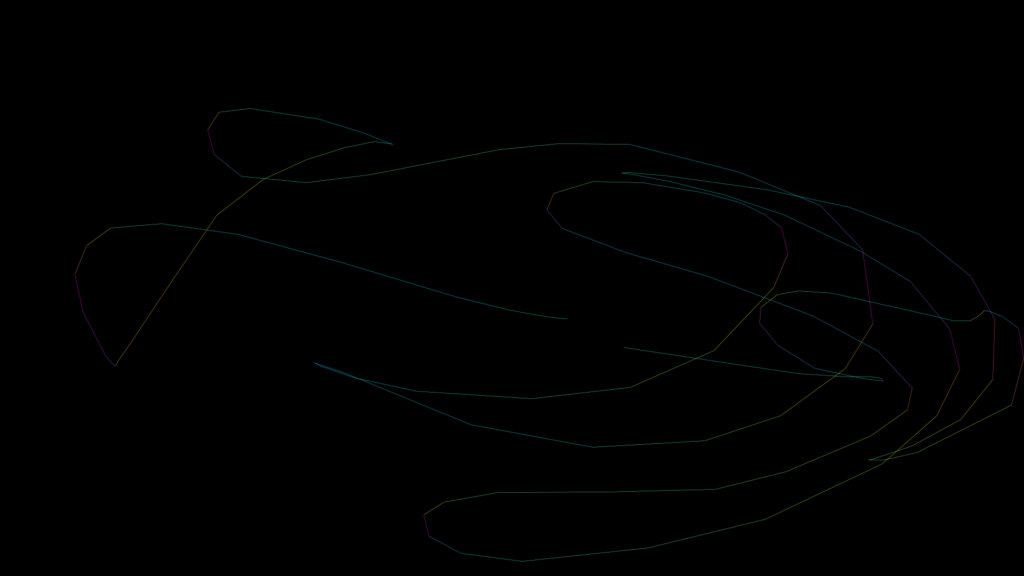
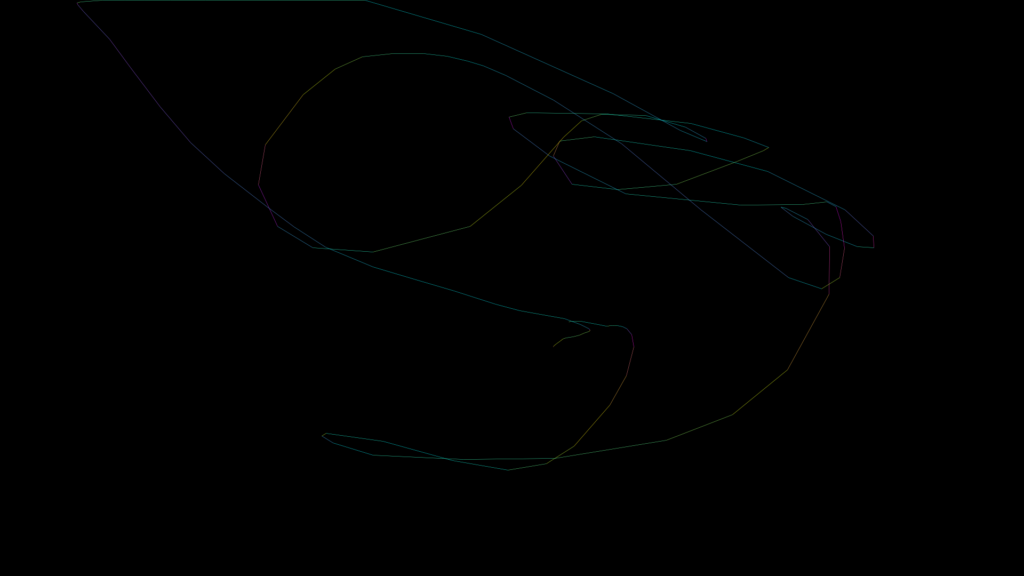
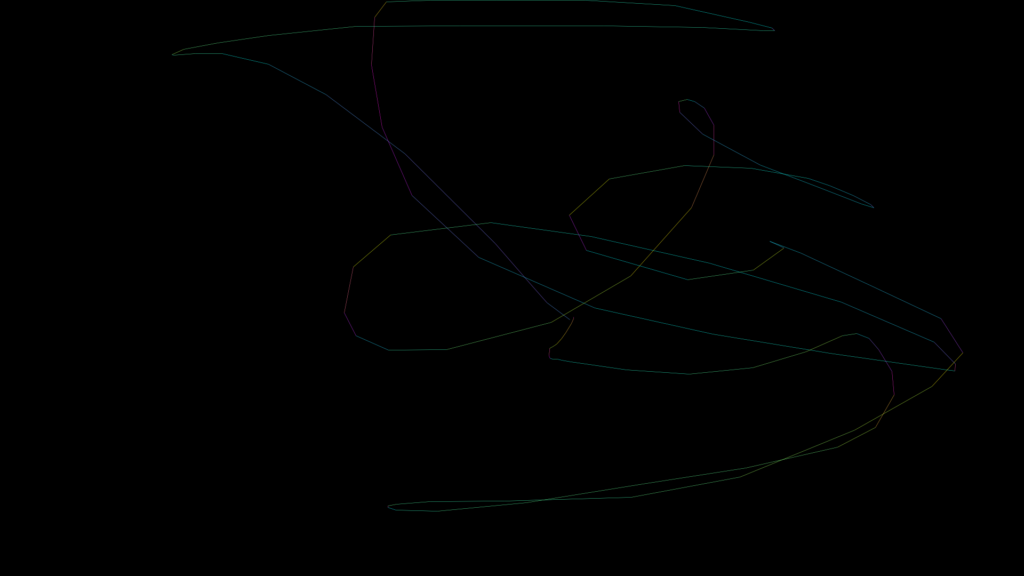
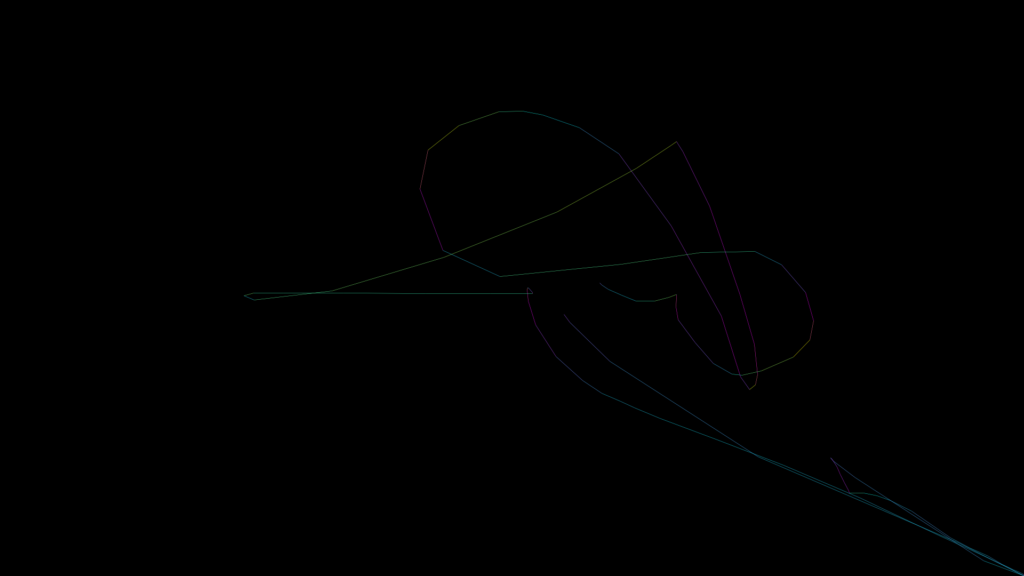
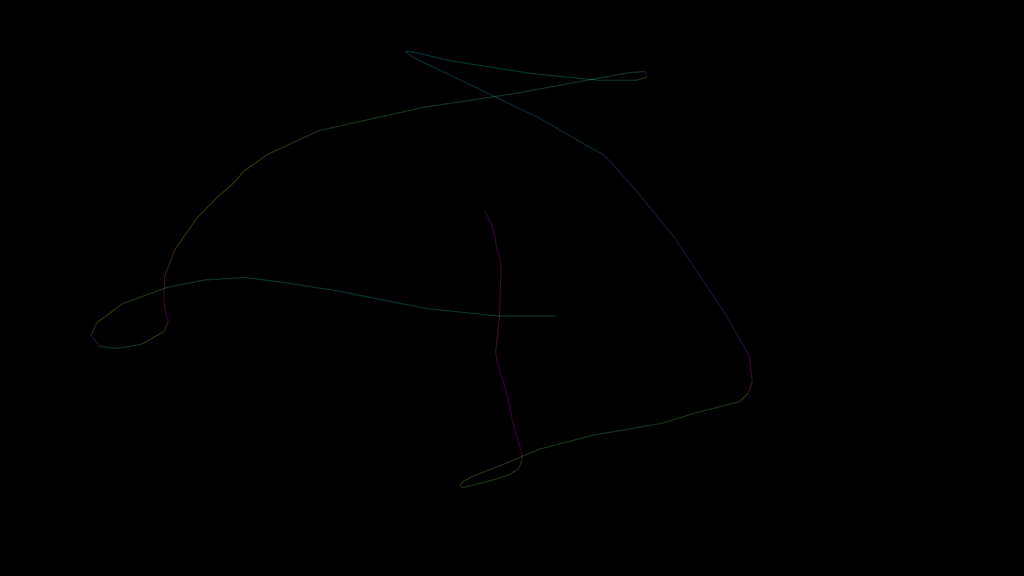
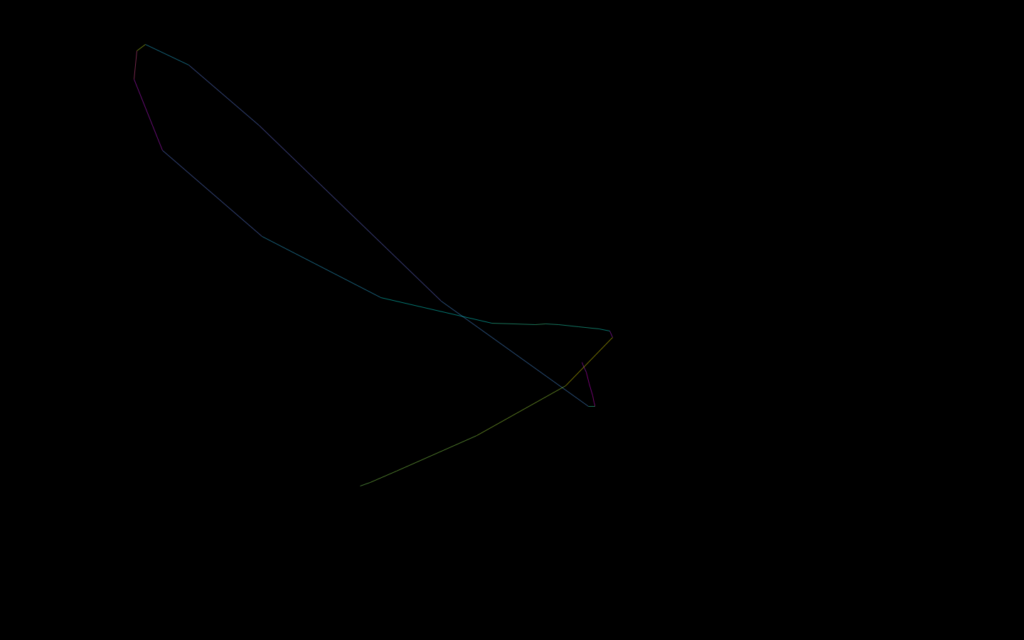
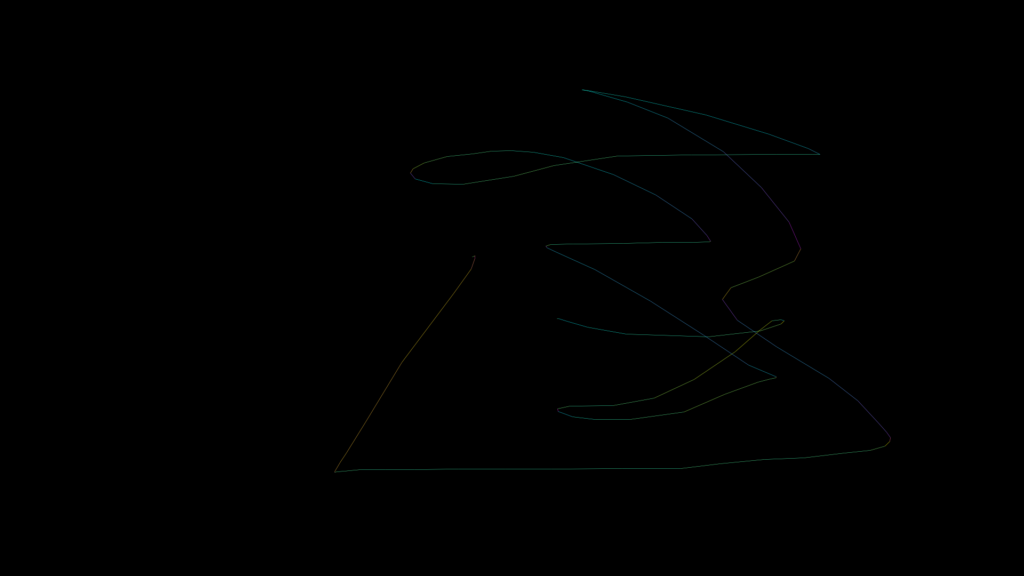
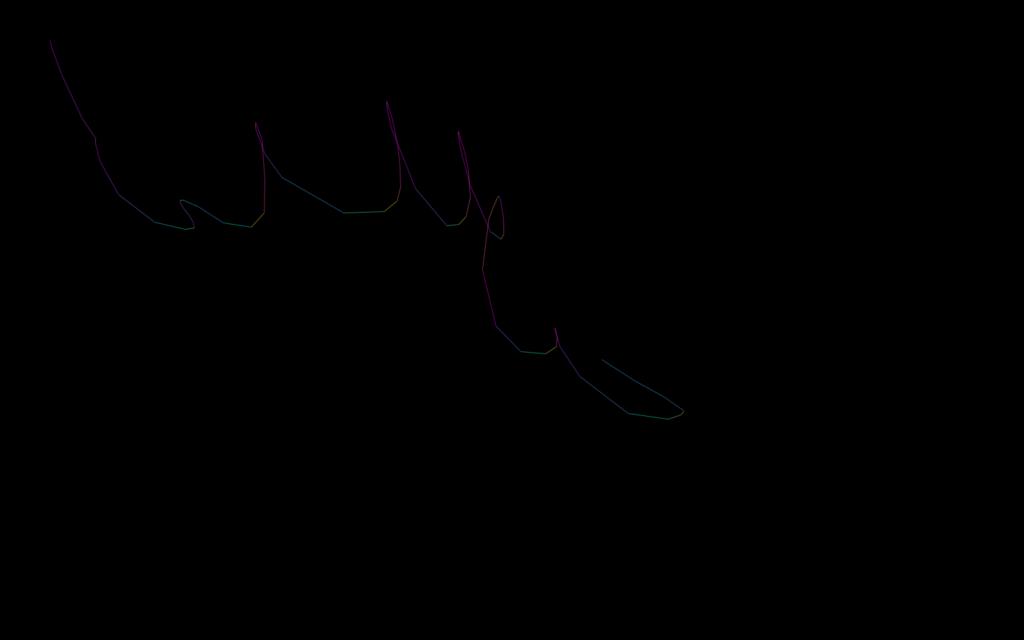
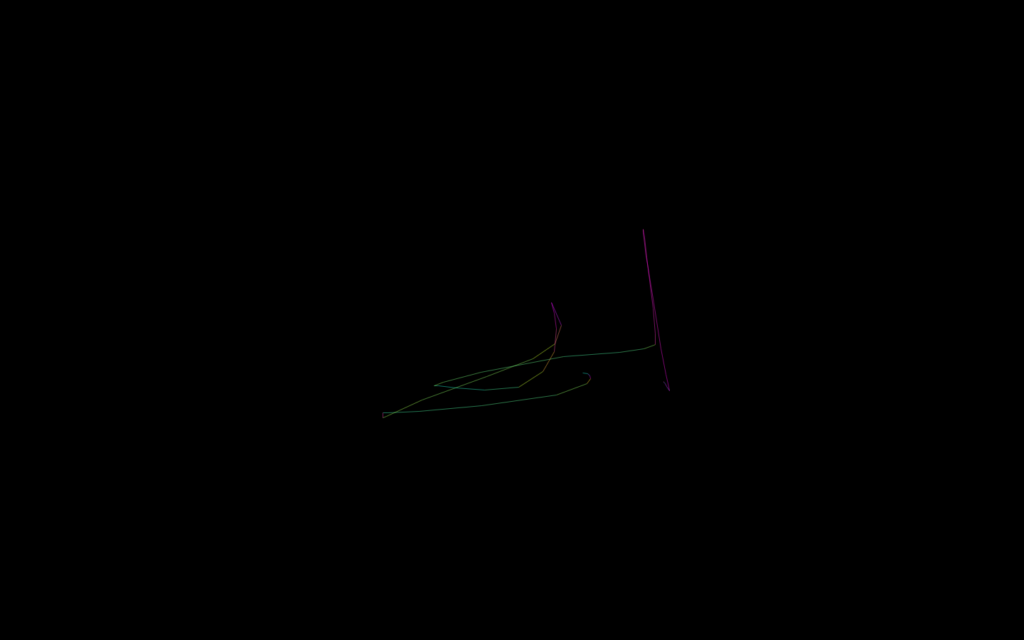
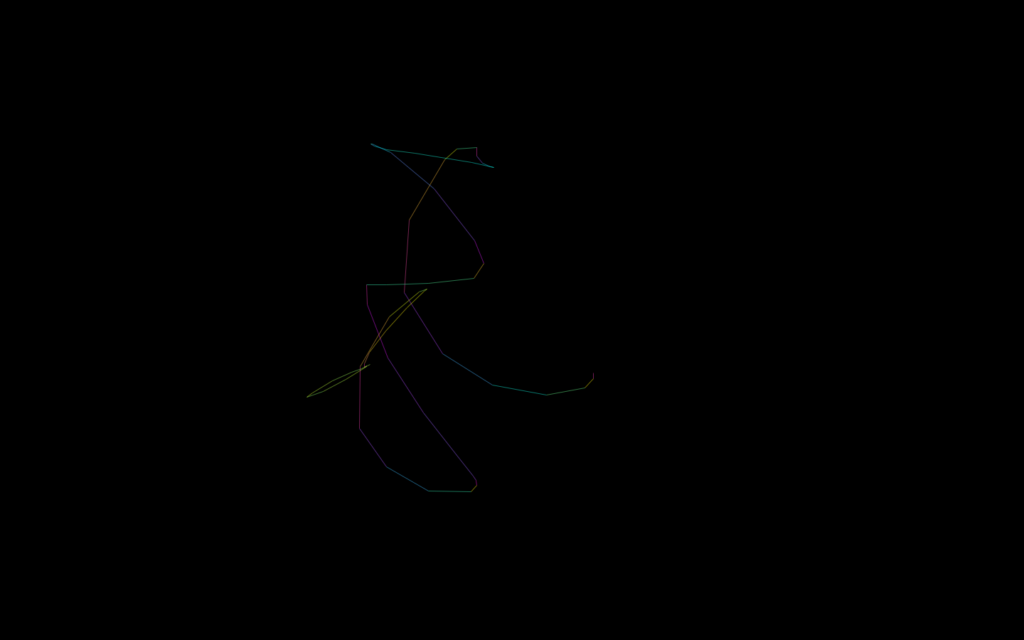
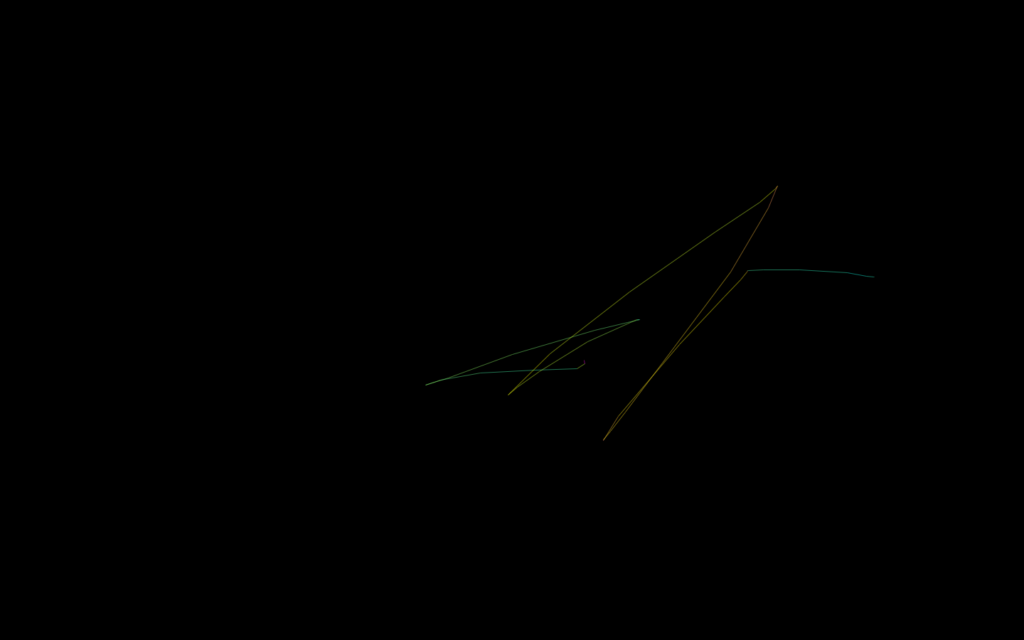
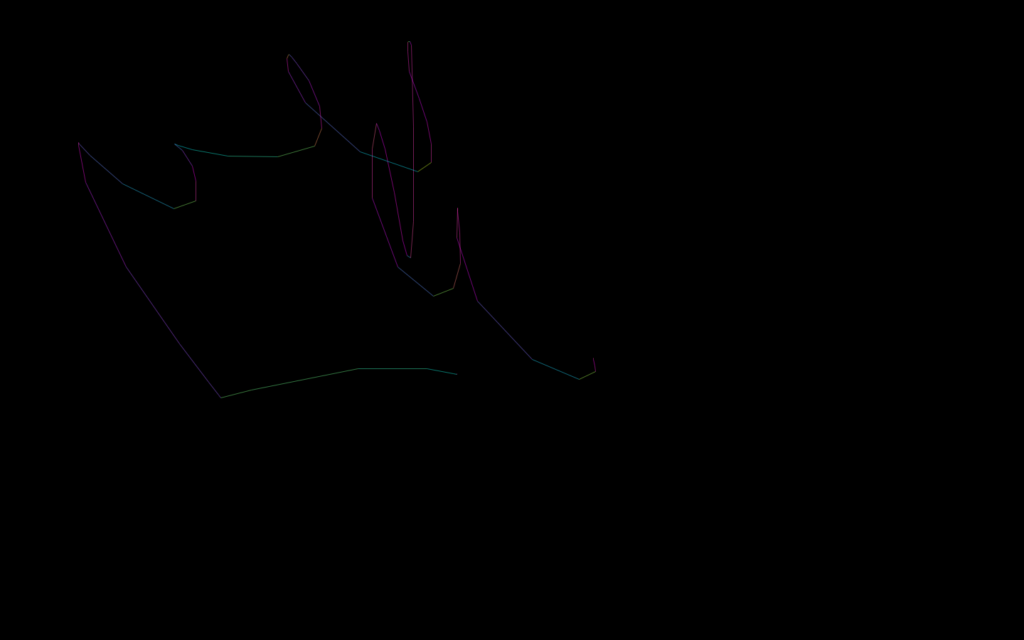
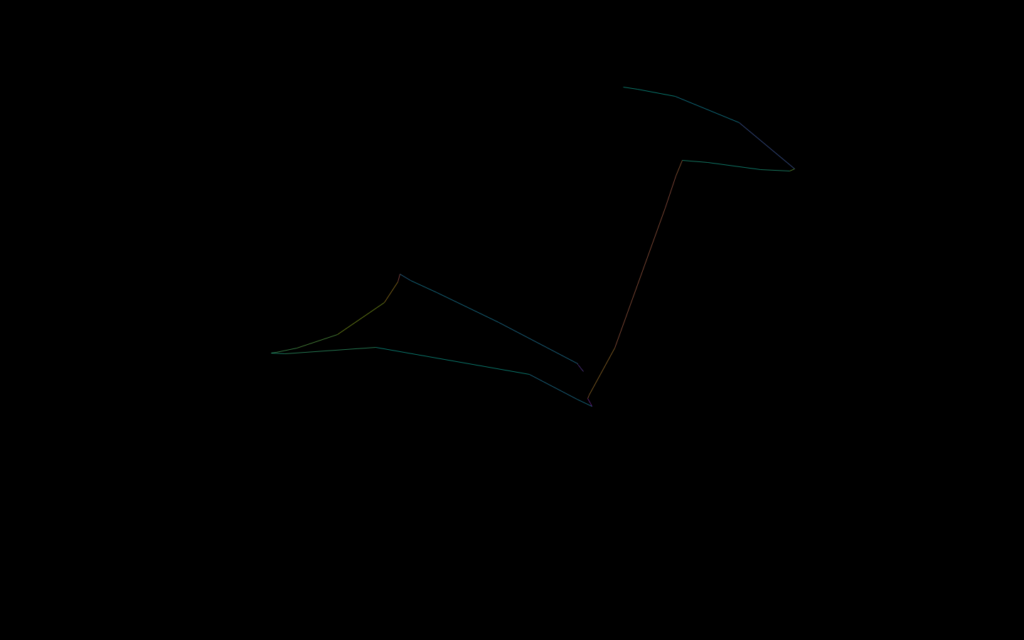
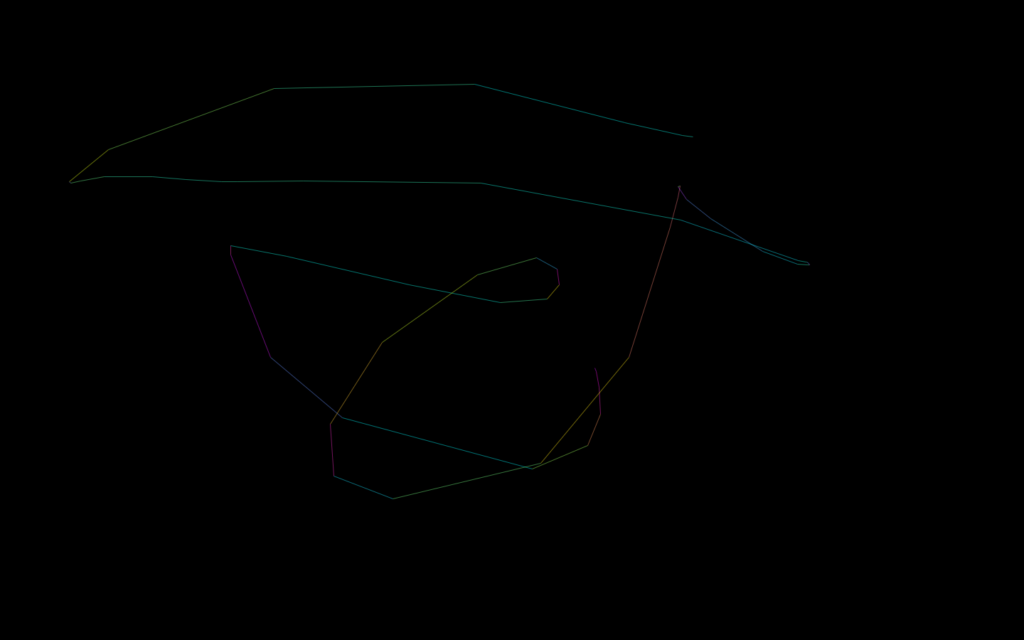
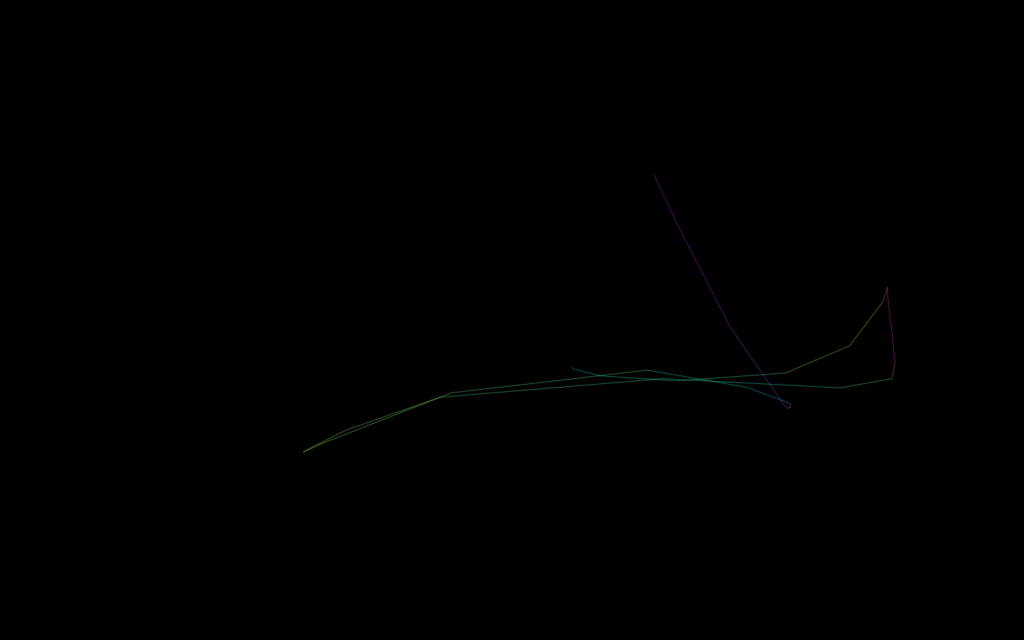
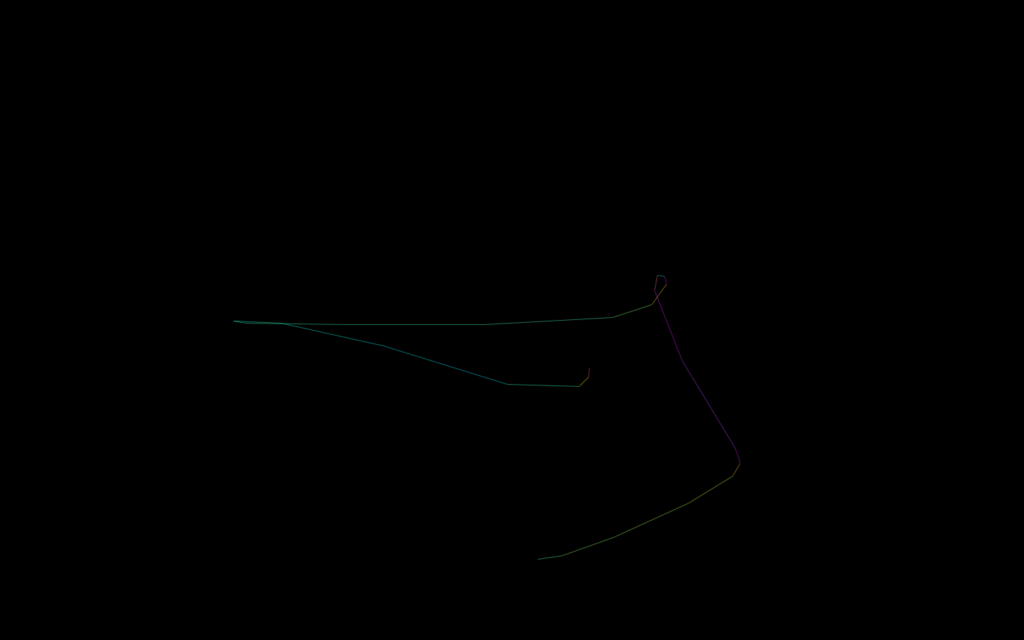
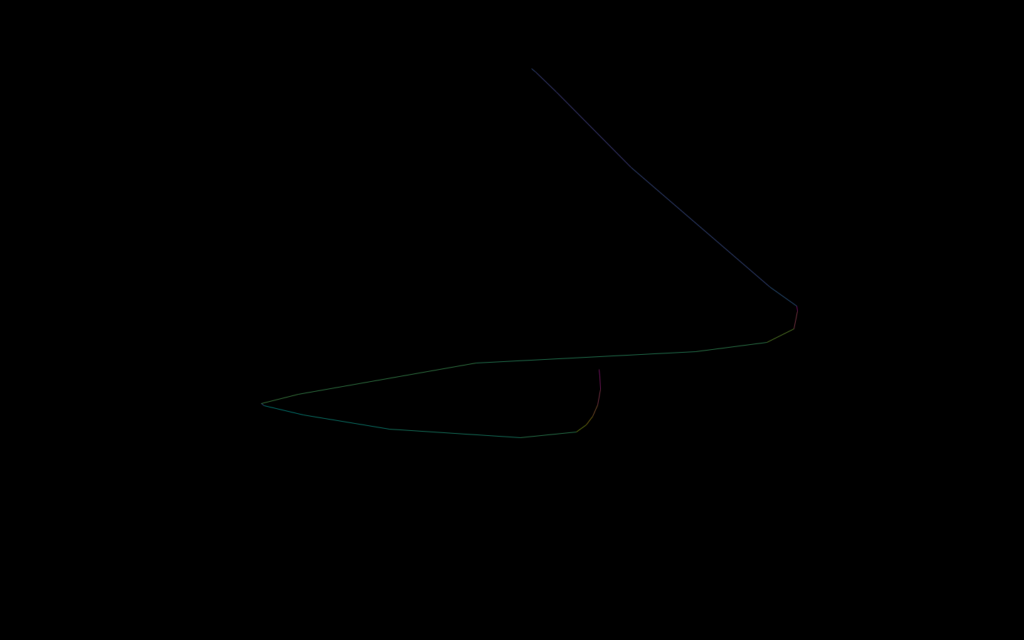
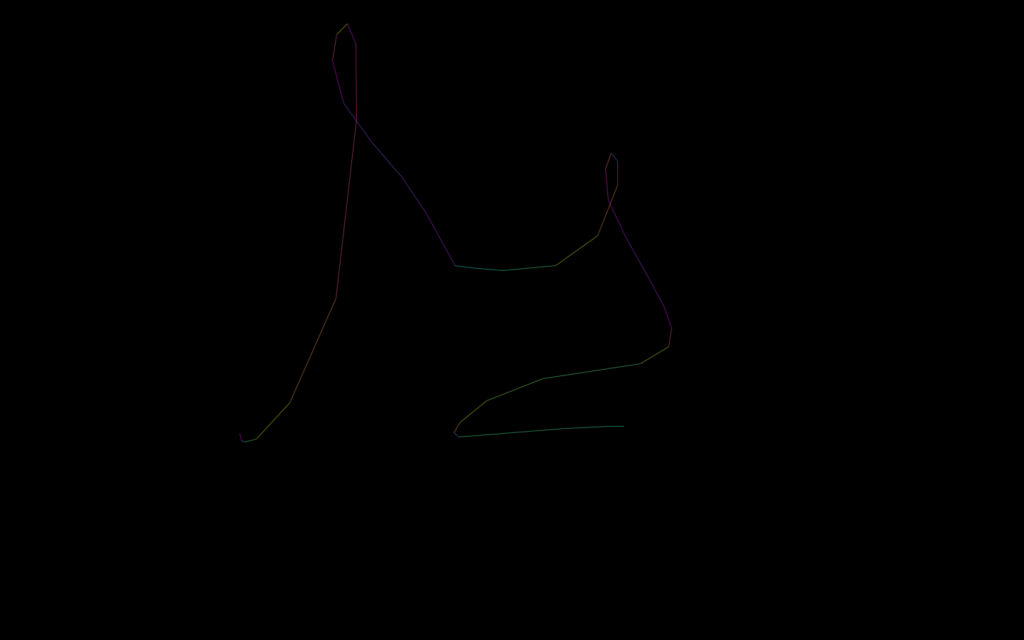
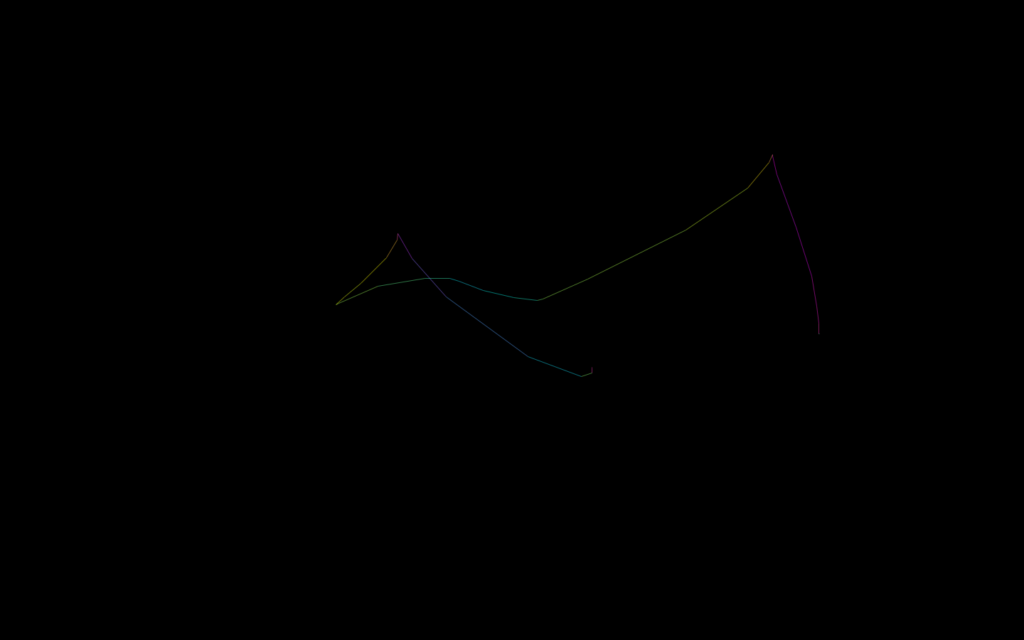
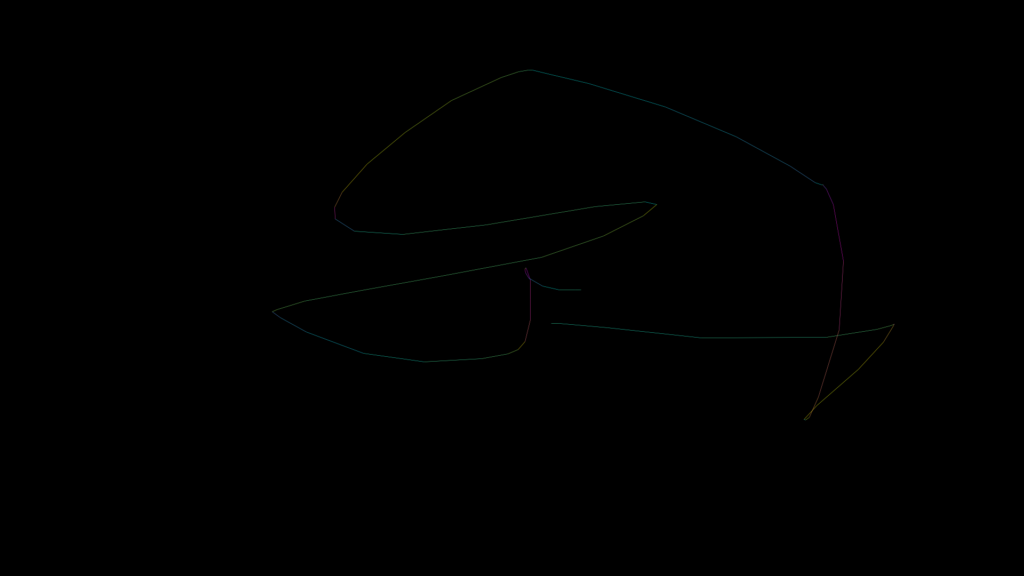
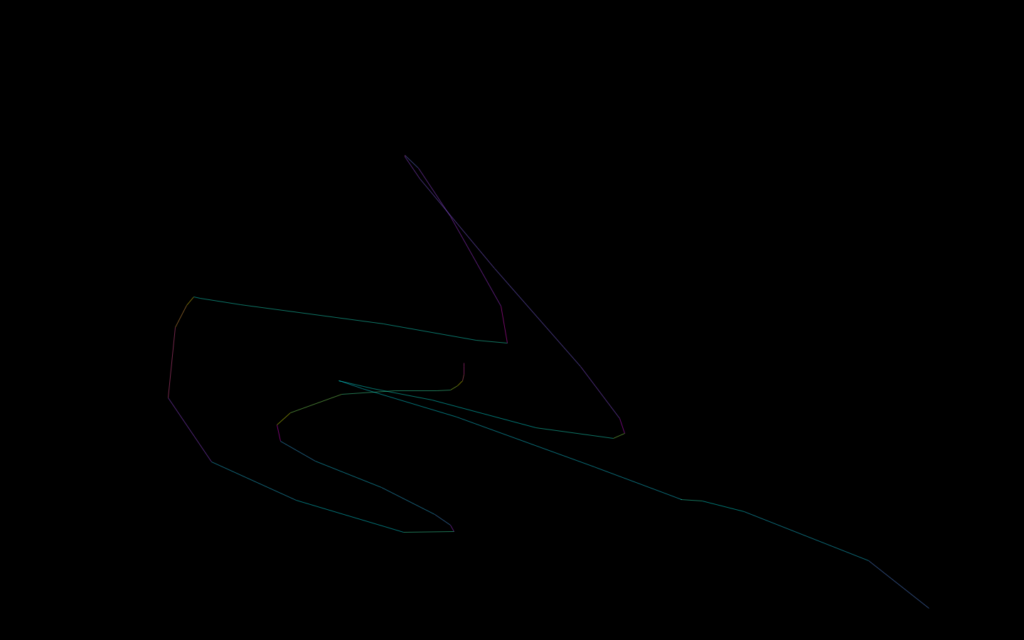
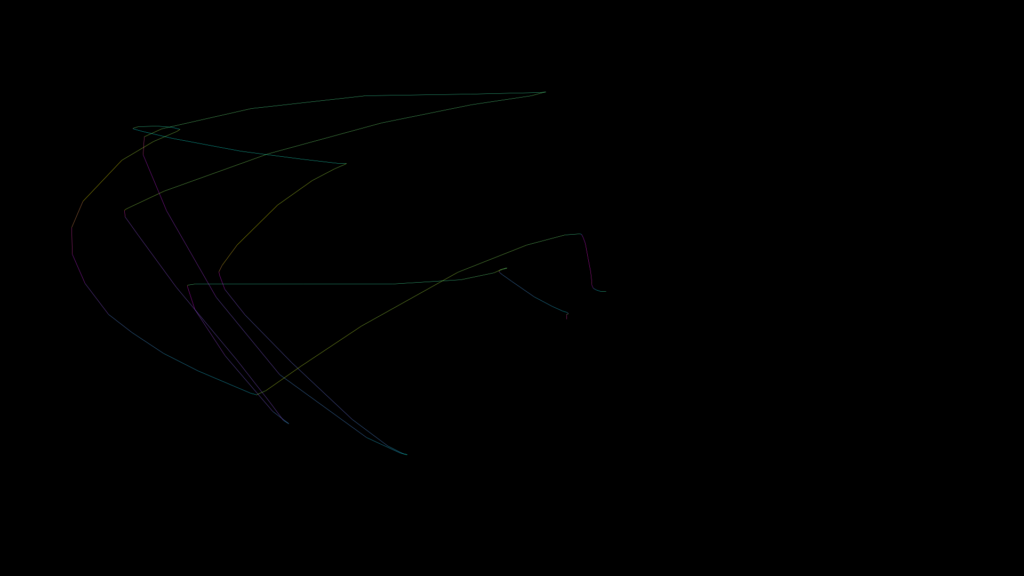
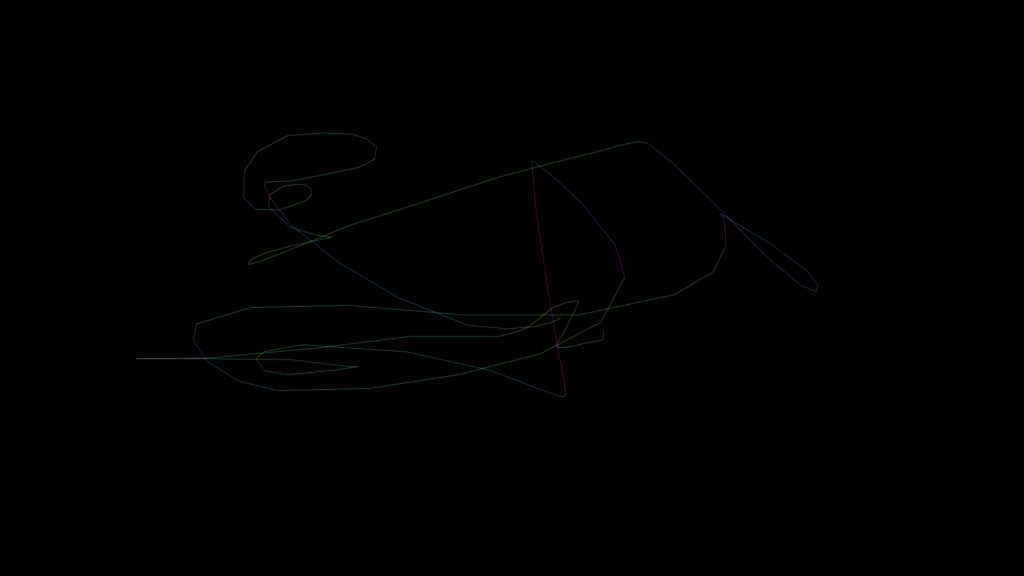
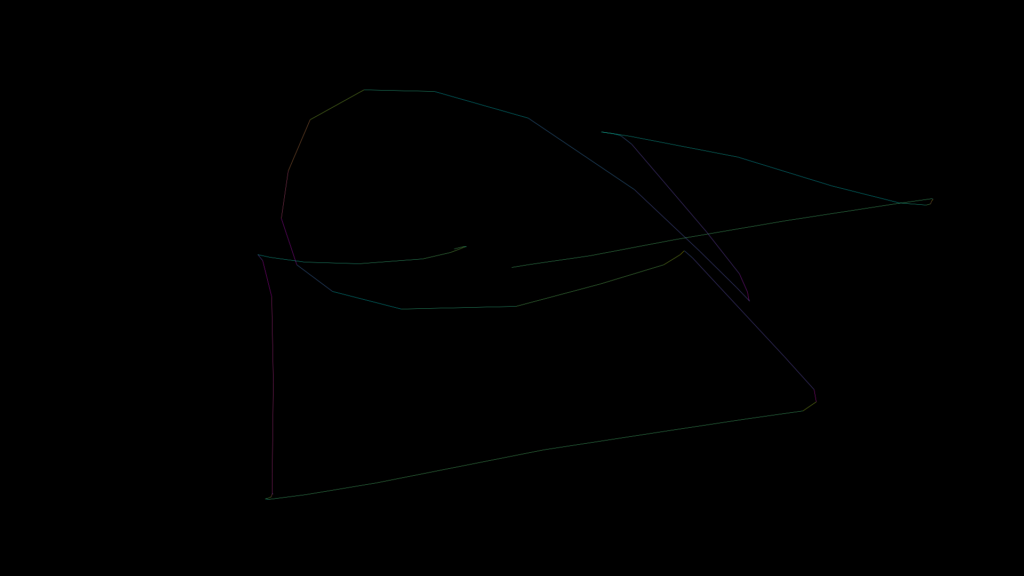
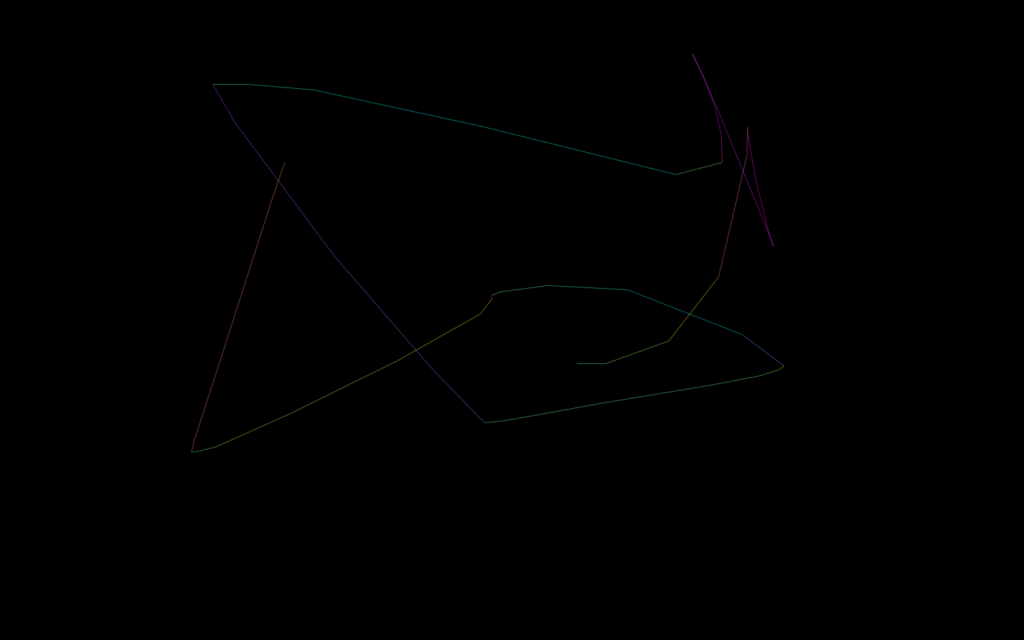
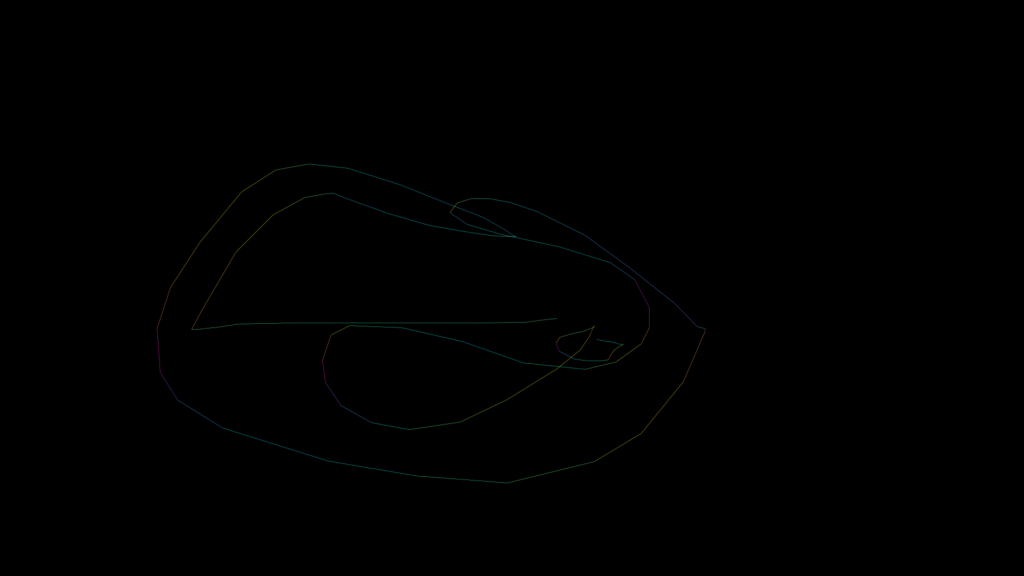
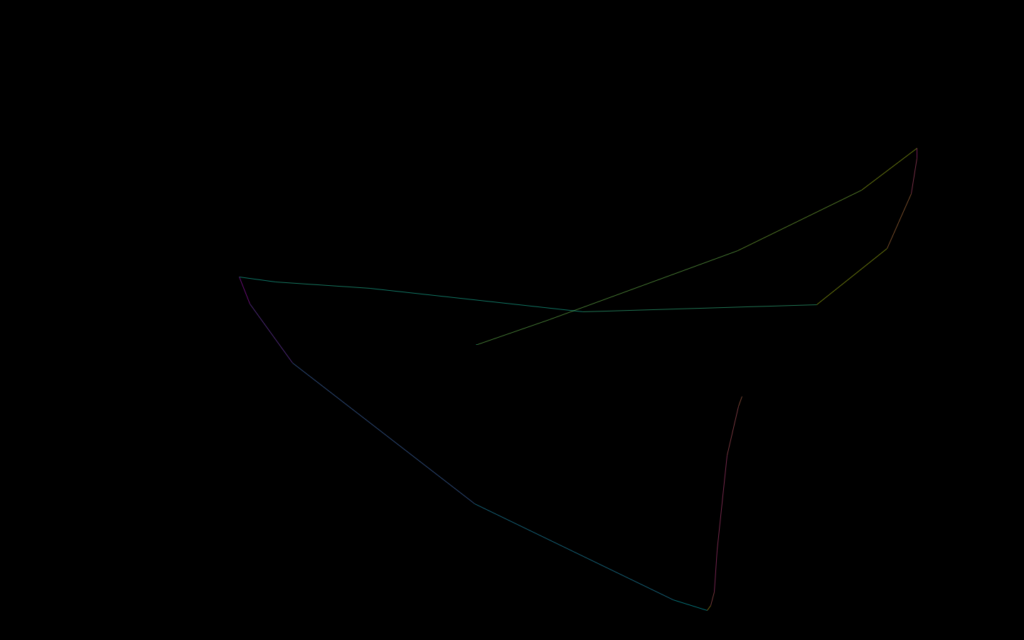
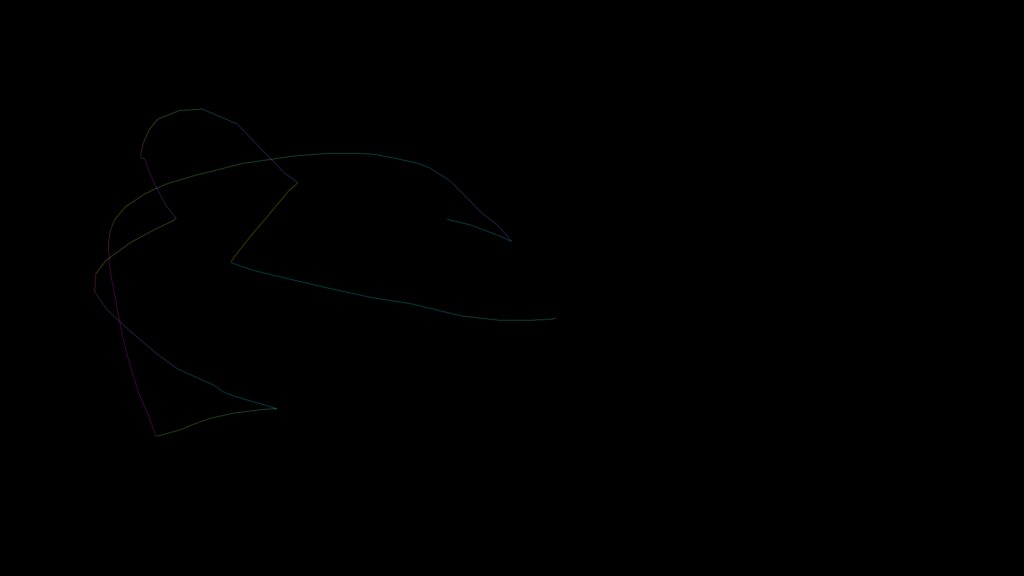
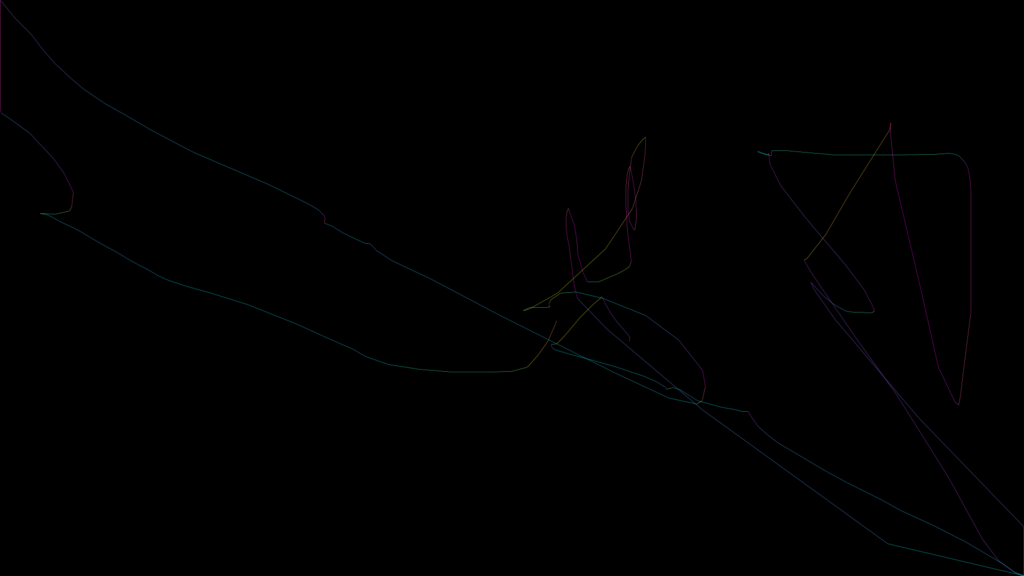
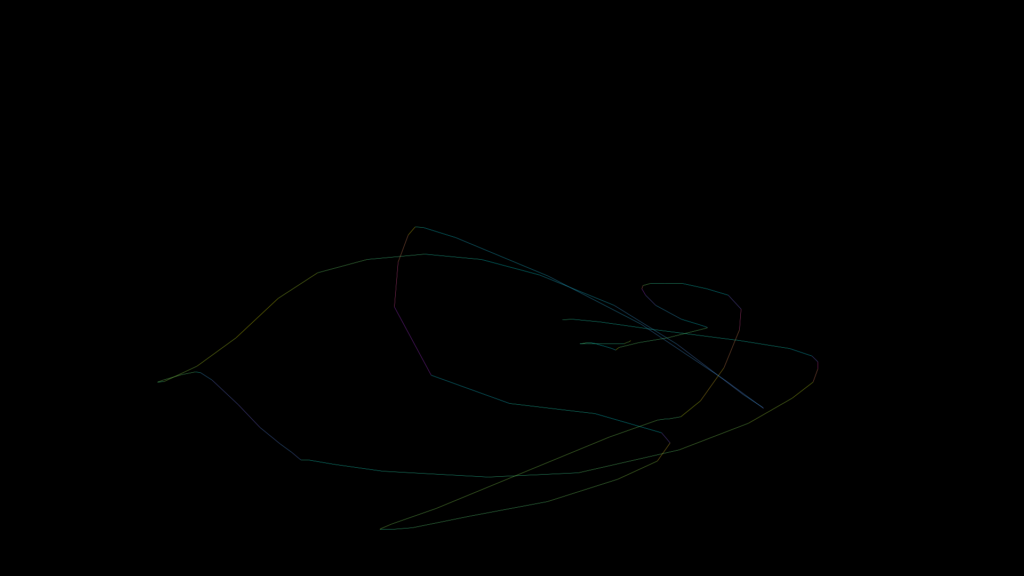
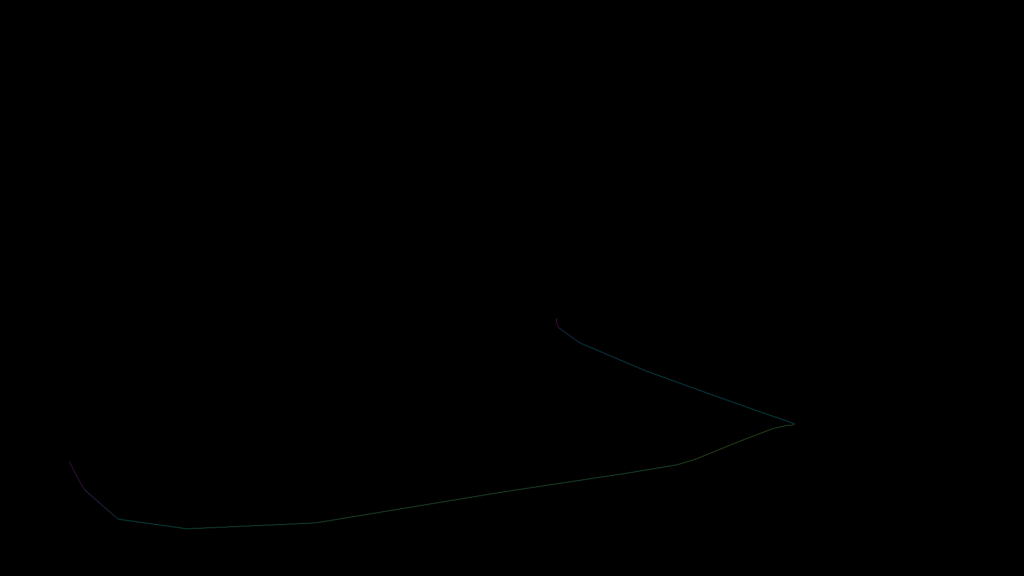
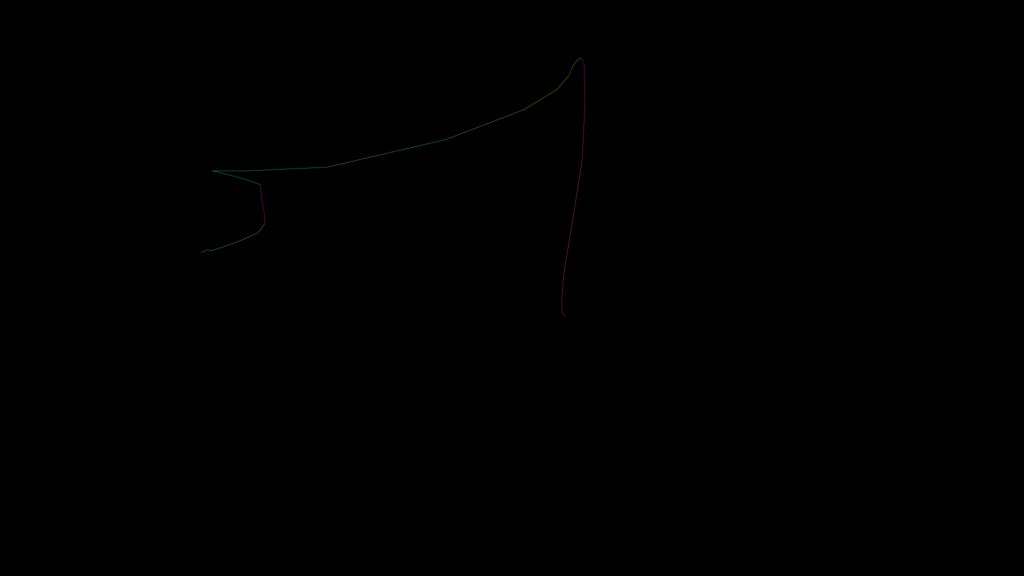
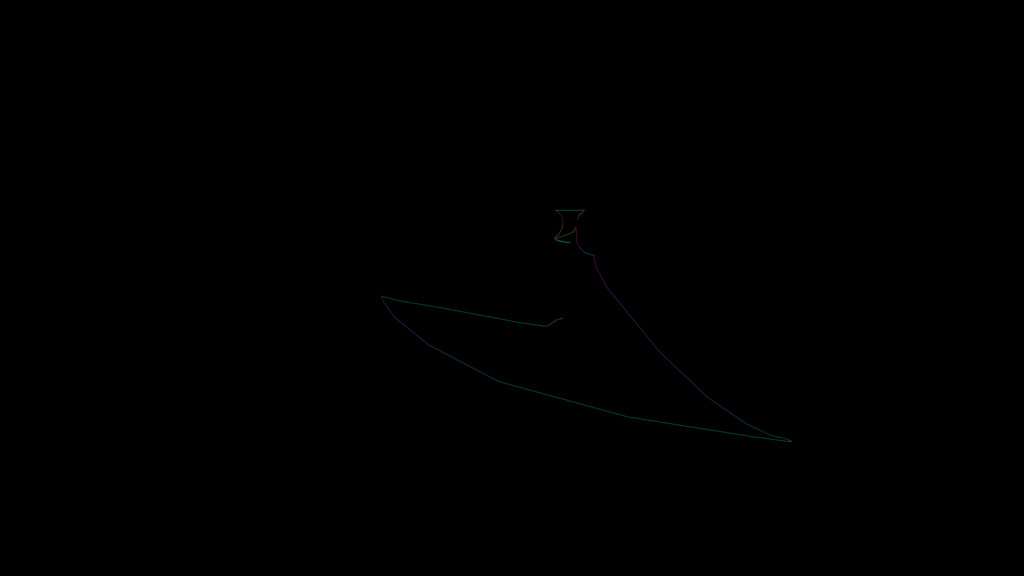
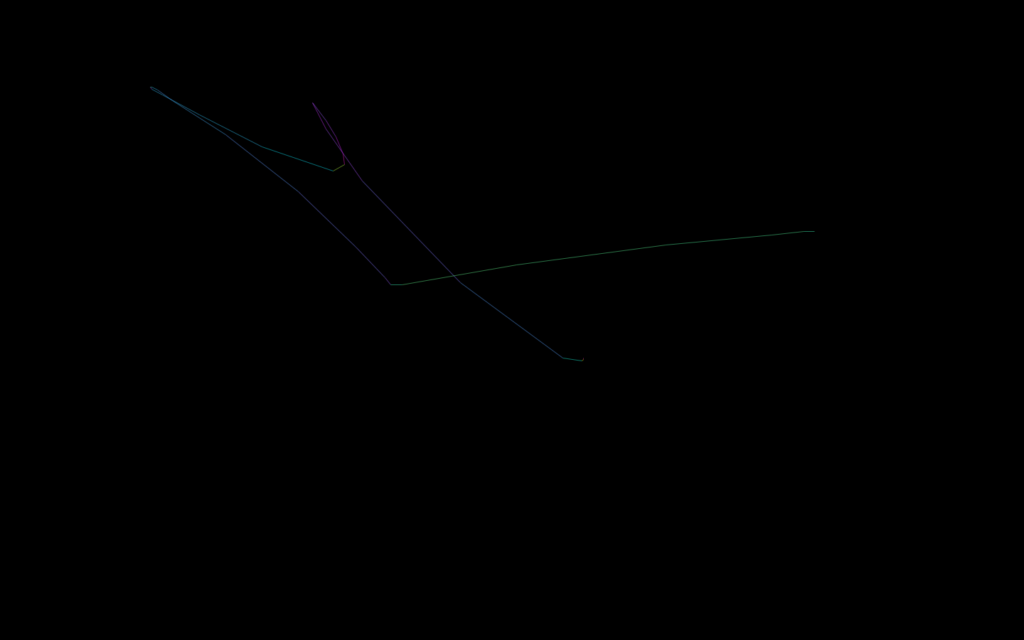
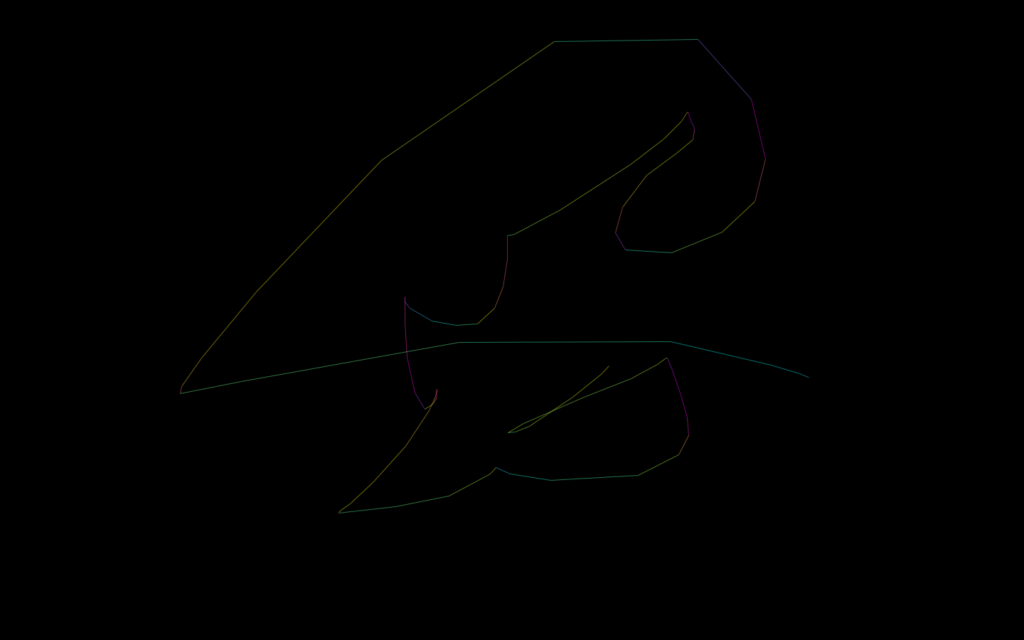
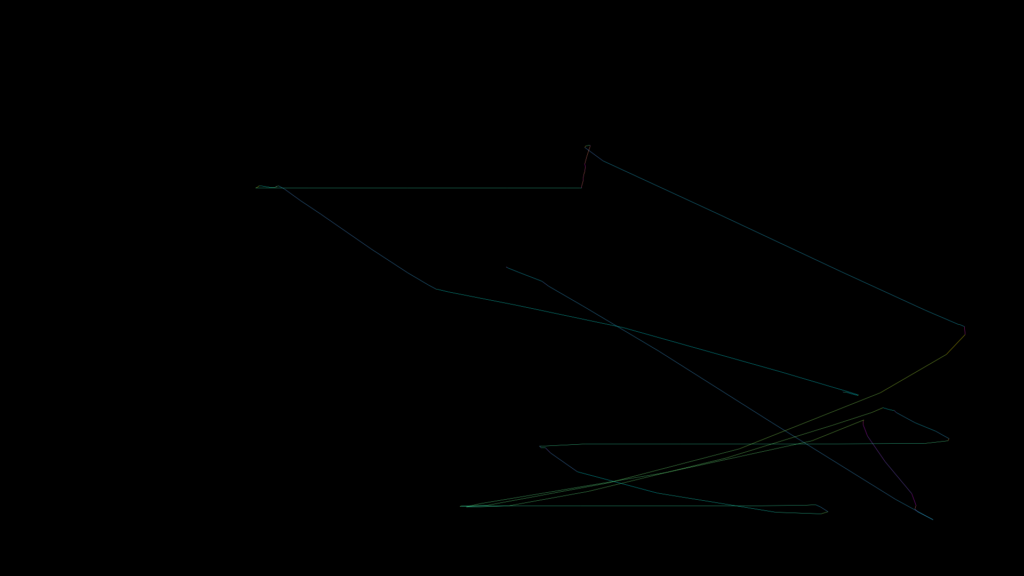
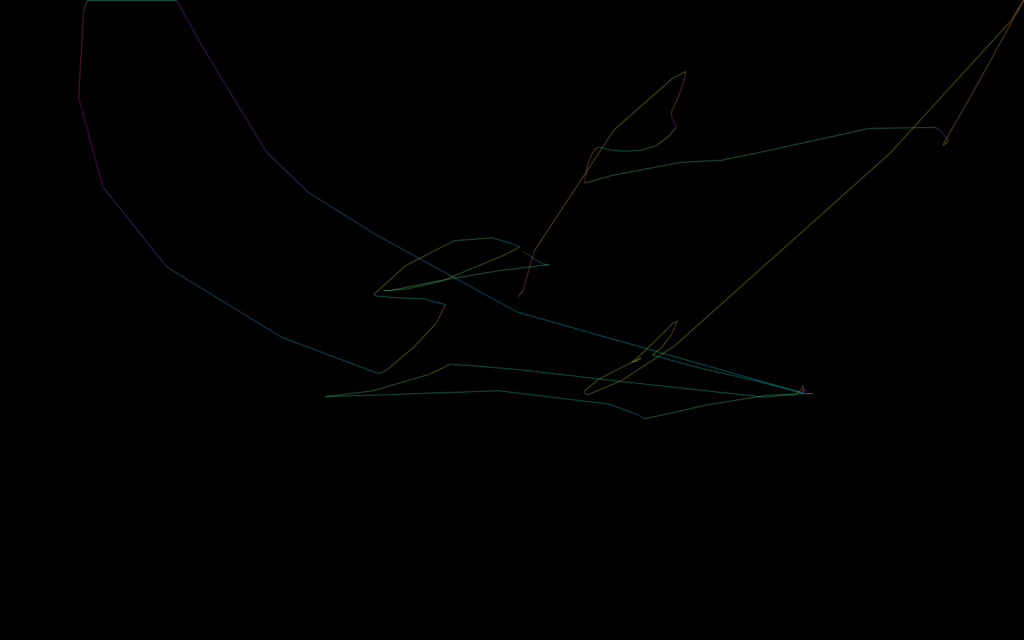
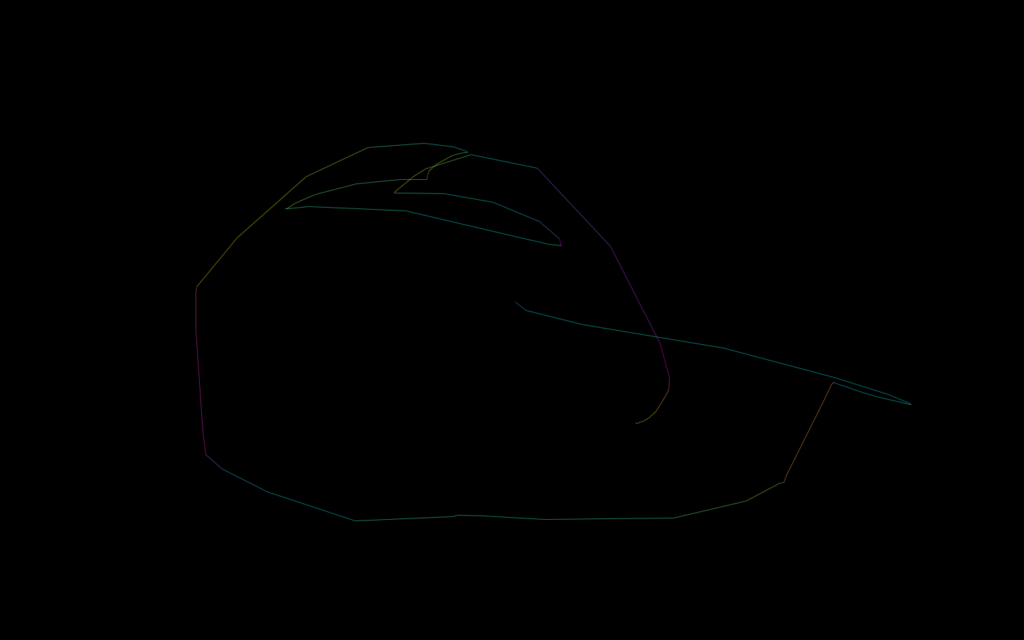
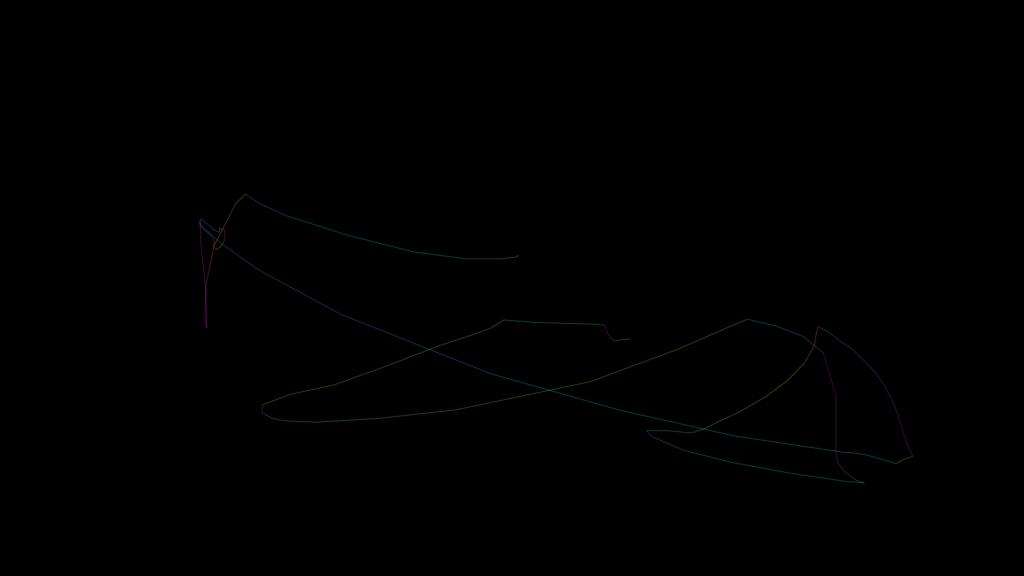
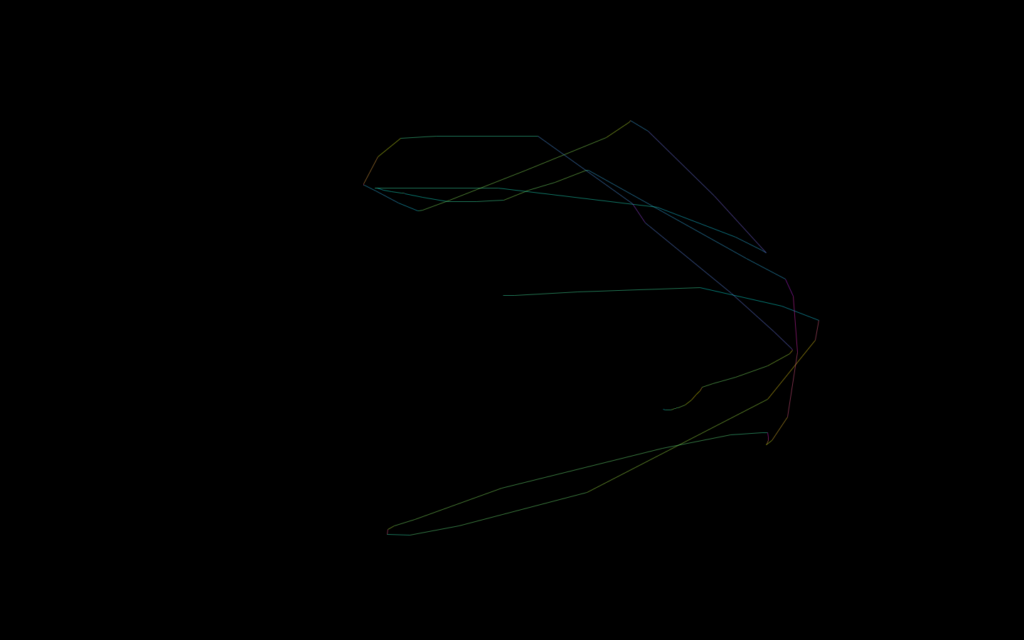
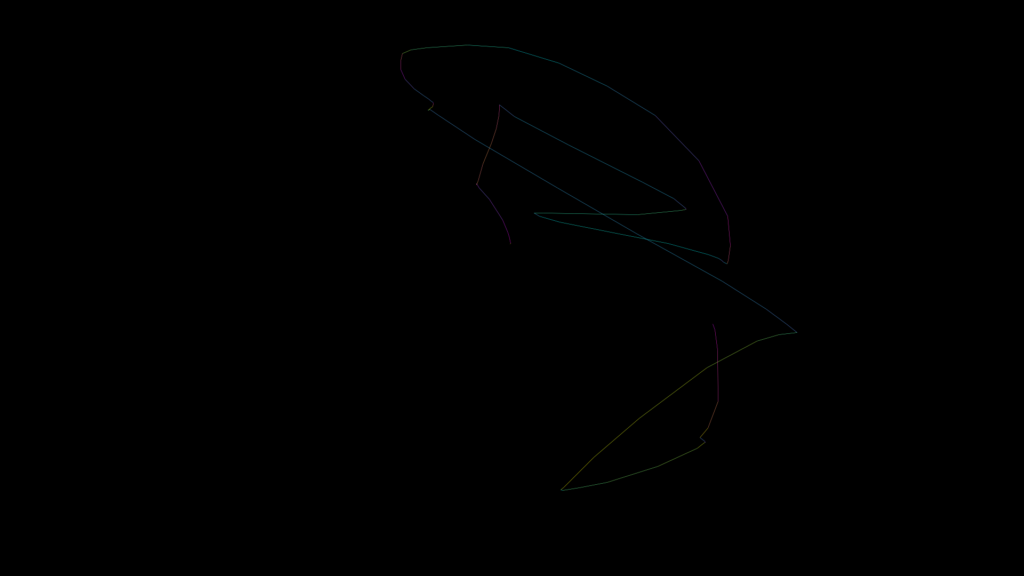
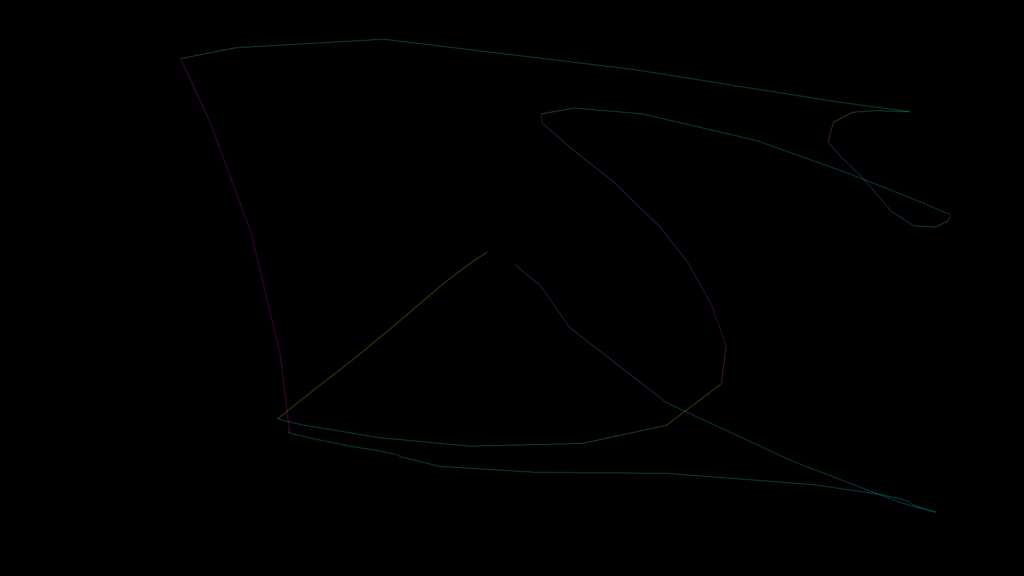
ember & ash: mouseX, mouseY
custom code (p5.js), 63 archived digital images
embedded code below:
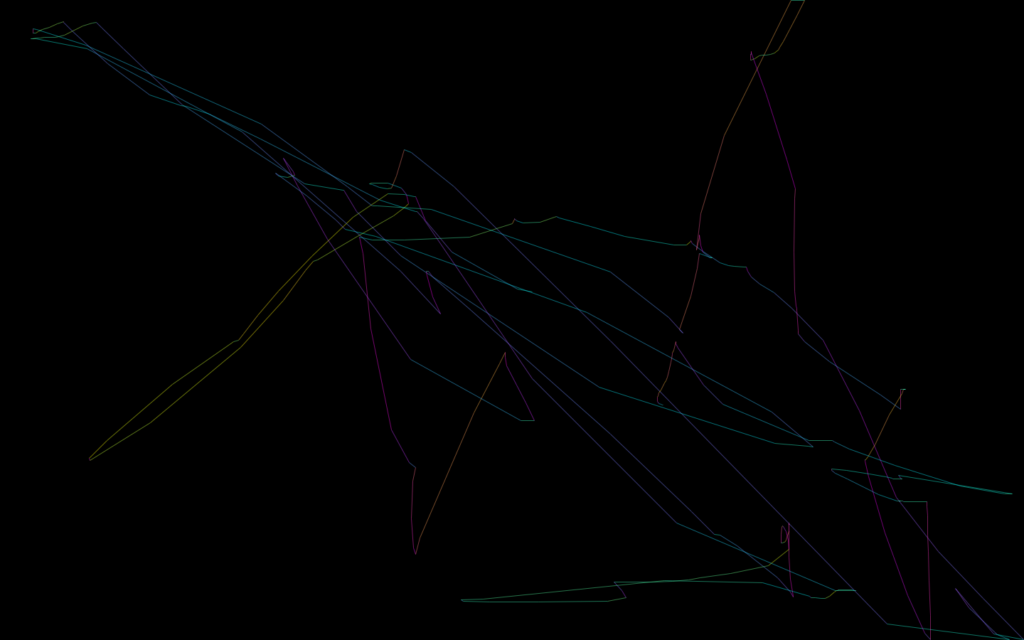
Using p5.js and post-processing, I trace mouse interactions - scrolling up, down, sideways. The gif above show results at intervals from 2 -10 seconds, usually directly after logging in.
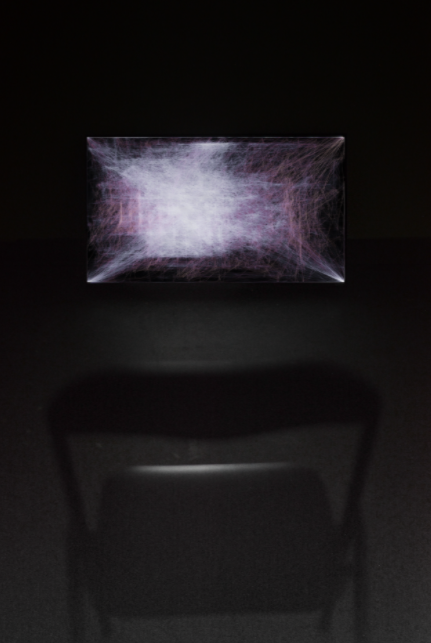
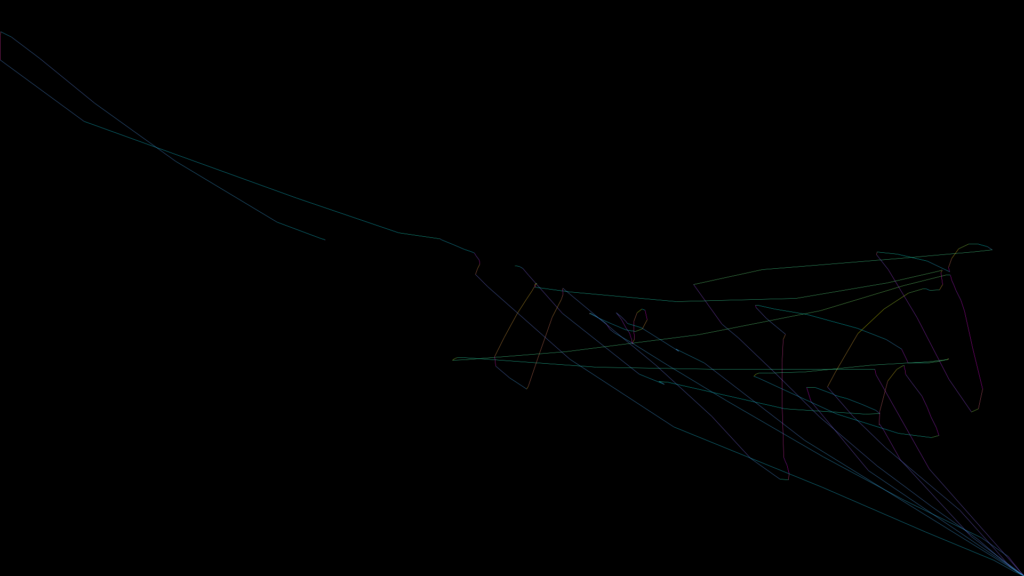
Below is my initial exploration of the gesture at scale: a layering of 400+ drawings totaling roughly 4 hours of screen time.
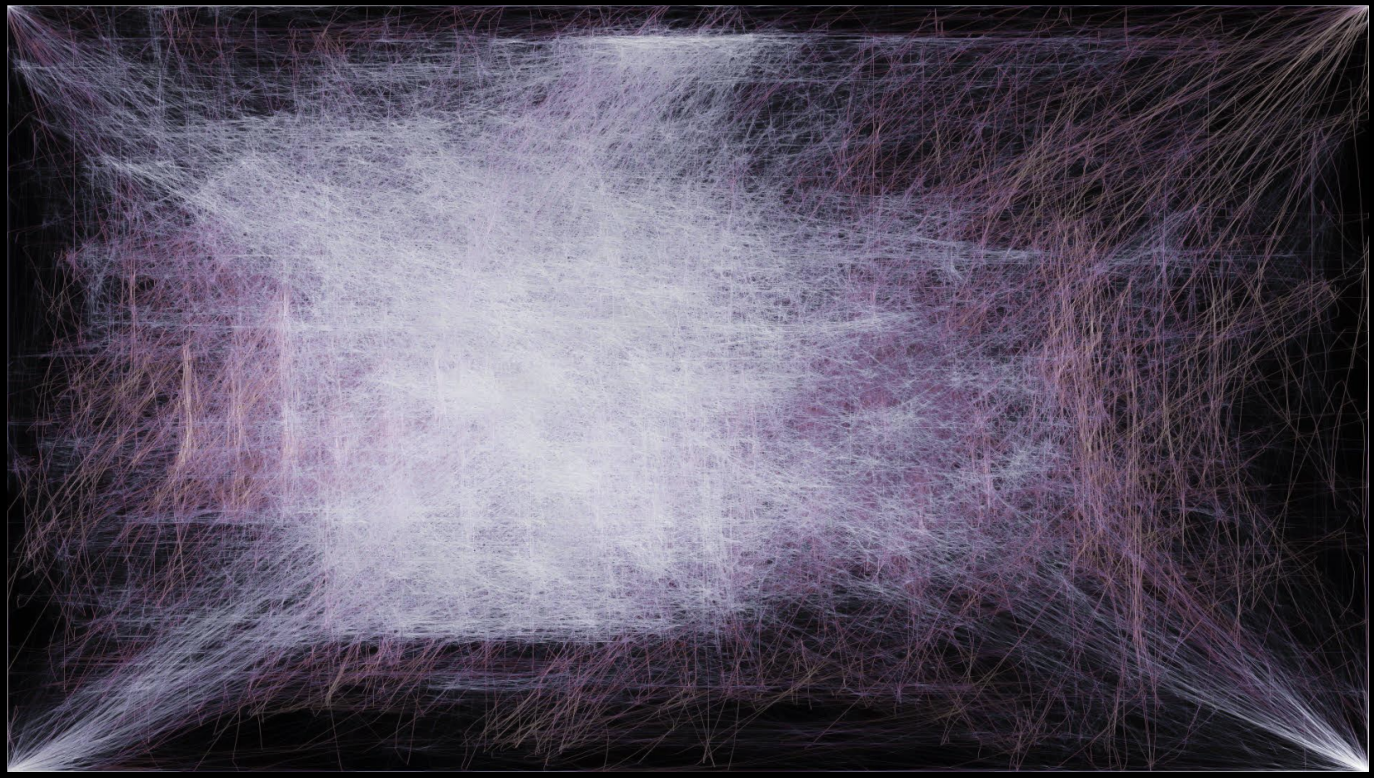
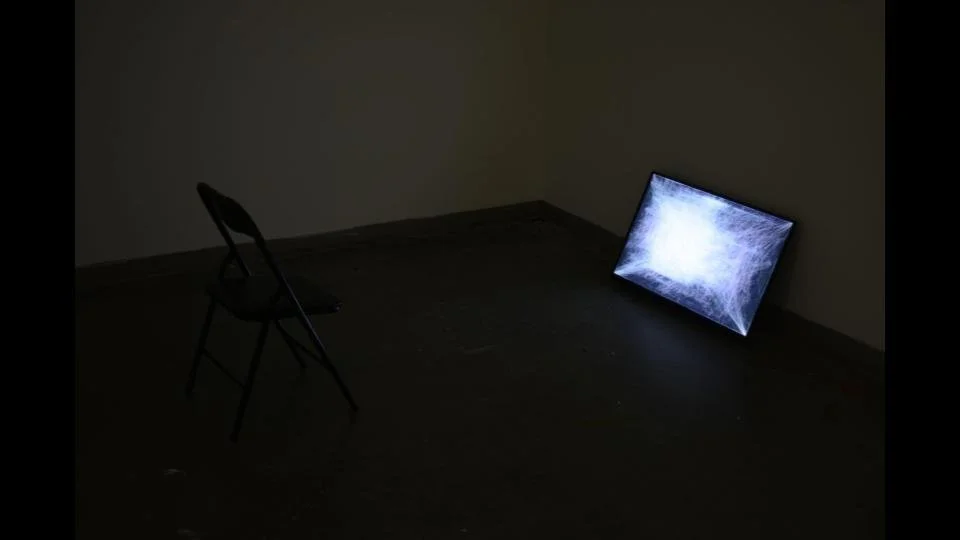
ember & ash: mouseX, mouseY
single-channel digital video, LCD monitor, custom code (p5.js), composite of mouse-movement recorded continuously over ~ 4 hours of interaction